As an Amazon Associate, we earn from qualifying purchases. Some links on this site are affiliate links at no extra cost to you. Our recommendations are based on thorough research and editorial judgment.

Bamboo Vs Aluminum Garden Edging: Which Is Best in 2026?

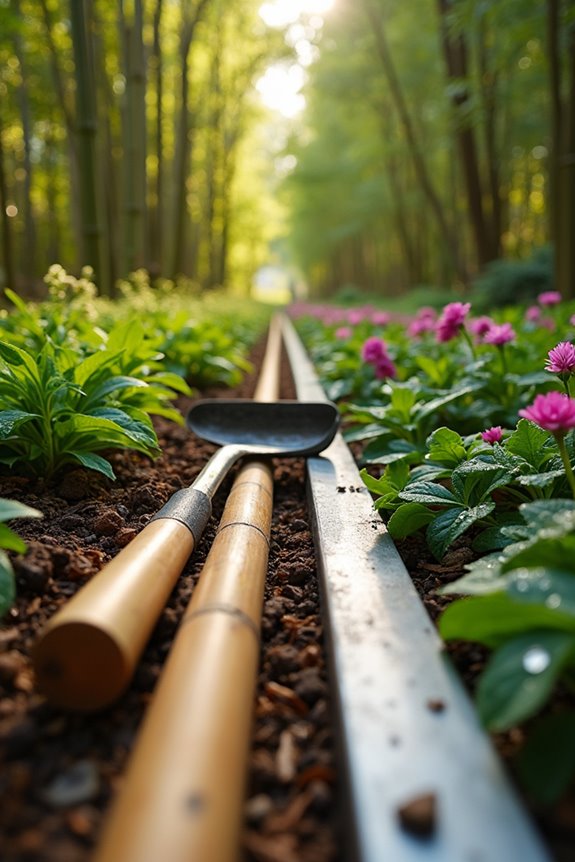
Choosing the right garden border is crucial for defining landscape beds, containing mulch or gravel, and elevating your home’s curb appeal. In 2026, two of the most popular eco-conscious and functional edging materials are bamboo garden edging and aluminum garden edging. While aluminum offers sleek modern lines and decades of maintenance-free durability ($1.50–$6.00/ft), bamboo delivers warm, natural, rustic charm ($2.40–$5.00/ft) crafted from rapidly renewable materials.
You may be interested

This comprehensive comparison guide explores the durability, cost, installation, environmental impact, and aesthetic differences between bamboo and aluminum garden edging to help you select the ideal border for your landscape project in 2026.
Key Takeaways for 2026
- Durability: Aluminum edging lasts 30+ years with zero rust or rot, whereas treated bamboo edging lasts 5–10 years depending on climate and maintenance.
- Aesthetics: Bamboo provides an organic, earthy, tropical look perfect for cottage and zen gardens, while aluminum creates invisible or sharp, modern border lines.
- Maintenance: Aluminum is virtually maintenance-free. Bamboo requires periodic sealing or oiling to resist moisture decay and sun bleaching.
- Environmental Impact: Bamboo is a rapidly renewable, 100% biodegradable natural fiber. Aluminum requires energy-intensive manufacturing but is infinitely recyclable.
- Installation: Both materials are DIY-friendly; bamboo roll edging bends easily around gentle curves, while aluminum strips create crisp straight lines and tight geometric angles.
Bamboo vs Aluminum Garden Edging: Comparison Overview
To quickly gauge how these materials compare across key landscape criteria, review the summary matrix below:
| Feature / Attribute | Bamboo Garden Edging | Aluminum Garden Edging |
|---|---|---|
| Average Lifespan | 5 – 10 Years (requires sealing) | 30+ Years (rust & rot proof) |
| Cost per Linear Foot | $2.40 – $5.00 / ft | $1.50 – $6.00 / ft |
| Aesthetic Style | Natural, rustic, tropical, organic | Sleek, modern, minimalist, discrete |
| Maintenance Level | Moderate (annual UV/water sealant) | None (maintenance-free) |
| Weather Resistance | Moderate (susceptible to humidity/UV) | Extreme (unaffected by frost/rain/UV) |
| Flexibility for Curves | High (wired roll design) | High (malleable metal alloys) |
| Eco-Friendliness | 100% Biodegradable & carbon-negative harvest | 100% Recyclable aluminum metal |
| Root & Weed Containment | Good above-ground barrier | Excellent underground grass barrier |
Understanding Bamboo Garden Edging: Features & Benefits
Bamboo garden edging is typically manufactured from vertical bamboo poles or split bamboo slats connected internally by galvanized steel wire. Available in rolls or pre-assembled flexible panels, bamboo border edging introduces natural texture and architectural warmth to flower beds, pathways, and vegetable patches.
Advantages of Bamboo Edging
- Organic Aesthetic Appeal: Unlike cold plastics or metals, bamboo brings tactile warmth and a timeless tropical or Asian garden feel.
- Eco-Friendly Sourcing: Bamboo grows up to 3 feet per day without synthetic fertilizers, making it one of the most sustainable raw building materials available in 2026.
- Natural Soil Integration: Over time, untreated bamboo naturally ages into a soft silvery-gray patina that blends seamlessly into mulch and surrounding soil.
- Pliable and Easy to Shape: Wired bamboo rolls conform smoothly around serpentine garden beds, circular trees, and winding garden paths.
Drawbacks of Bamboo Edging
- Organic Degradation: Because bamboo is a natural cellulose fiber, constant contact with damp soil will eventually lead to fungal rot or termite damage if left unsealed.
- Periodic Upkeep Required: To maximize service life beyond 5 years, gardeners must apply an exterior sealant or bamboo oil once per year.
Understanding Aluminum Garden Edging: Features & Benefits
Aluminum garden edging consists of thin, high-grade structural aluminum alloy strips designed to be driven partially underground using interlocking joints and steel or aluminum anchor stakes. It provides clean, crisp separation between turf grass, flower beds, decorative gravel, and pavers.
Advantages of Aluminum Edging
- Unmatched Longevity: High-grade aluminum will never rust, rot, crack, or warp, even when subjected to freeze-thaw cycles and severe weather.
- Crisp Landscape Lines: Aluminum creates clean, commercial-grade edge definition, preventing invasive grass roots (like Bermuda or Zoysia) from creeping into garden beds.
- Mower Safety: Installed flush with the turf line, lawnmowers can ride directly over the aluminum top edge without damaging mower blades or the border strip.
- Low Profile: Aluminum edging can be disguised almost entirely, letting garden foliage take center stage.
Drawbacks of Aluminum Edging
- Industrial Appearance: If left exposed above ground, aluminum lacks the warm, natural charm of wood or bamboo.
- Trenching Preparation Required: Proper installation demands digging a continuous 3 to 4-inch deep trench for secure anchoring.
Head-to-Head Comparison: Bamboo vs Aluminum Edging
1. Durability & Weather Resistance
When longevity is the top priority, aluminum is the clear winner. Aluminum alloys resist moisture, oxidation, extreme heat, and severe frost for 30 years or longer without degrading. Bamboo edging, while sturdy when properly treated, usually lasts 5 to 10 years depending on local rainfall and sun exposure.
2. Aesthetic Impact & Garden Style
If your goal is a cozy, organic, or tropical landscape aesthetic, bamboo stands out as the superior visual element. It adds vertical accent height and natural texture. Conversely, aluminum excels in modern, formal, or contemporary landscape designs where subtle, precise bed separation is required.
3. Installation Effort & DIY Feasibility
Installing bamboo roll edging involves unrolling the border along your desired bed contour and tapping the integrated wooden or bamboo stakes into softened soil with a rubber mallet. Aluminum edging requires cutting a shallow trench, interlocking the metal strips with connector sleeves, and driving heavy-duty anchor stakes through pre-drilled slots at a 45-degree angle for maximum soil grip.
Step-by-Step Installation Guides
How to Install Bamboo Roll Edging
- Mark the Border: Use a garden hose or spray paint to outline the desired curve or straight edge of your bed.
- Prepare a Shallow Groove: Dig a 2-inch shallow channel along the marked line to help set the bamboo bases firmly into the earth.
- Unroll and Stake: Unroll the bamboo border, setting the stakes or pole bases into the channel. Secure with wooden or metal grounding pins every 3 feet.
- Backfill and Tamp: Backfill soil and mulch against the base of the bamboo poles to lock the border firmly in place.
How to Install Aluminum Strip Edging
- Cut a 3-4 Inch Trench: Use a flat square spade to cut a vertical slit along the edge of your lawn.
- Connect the Strips: Slide the aluminum section ends into the interlocking joint sleeves.
- Position in Trench: Insert the aluminum strip into the trench so that 0.5 inches remains visible above soil level.
- Drive Anchor Stakes: Hammer anchor stakes through the pre-cut slots at alternating angles to lock the edging into the subsoil.
Maintenance and Long-Term Care in 2026
To extend the life of bamboo edging, apply a clear exterior UV-resistant oil or sealant once every spring. Clear away heavy wet leaves around the base to prevent prolonged moisture buildup. Aluminum edging requires no ongoing sealing; simply check once a year after heavy winter frost heaves to ensure anchor stakes remain flush with the ground.
Verdict: Which Garden Edging Is Best for You in 2026?
The choice between bamboo and aluminum garden edging ultimately depends on your budget, landscape style, and desired longevity:
- Choose Bamboo Garden Edging if: You love natural, rustic, tropical, or organic garden aesthetics, prefer eco-friendly plant-based materials, and don’t mind applying a quick annual protective coat.
- Choose Aluminum Garden Edging if: You want a commercial-grade, ultra-durable, maintenance-free border that creates sharp clean lines, blocks grass root intrusion, and lasts for decades.
Frequently Asked Questions
How Long Does Bamboo Garden Edging Last?
With annual application of exterior UV sealant or bamboo oil, bamboo garden edging lasts between 5 and 10 years. In dry climates, it can last even longer.
Does Aluminum Garden Edging Rust or Corrode?
No, aluminum naturally forms a protective oxide layer that prevents rust and structural corrosion, making it completely weather-proof in all climates.
Is Bamboo Edging Flexible Enough for Curved Beds?
Yes, bamboo roll edging connected with internal galvanized wire is highly flexible and bends easily around smooth curved garden beds and circular tree rings.
Can You Run a Lawnmower Over Aluminum Edging?
Yes! When installed so that the top lip is level with or slightly below your lawn’s soil line, lawnmowers can drive directly over aluminum edging without damaging the blades or edging metal.