As an Amazon Associate, we earn from qualifying purchases. Some links on this site are affiliate links at no extra cost to you. Our recommendations are based on thorough research and editorial judgment.
How To Design Container Garden Layouts?
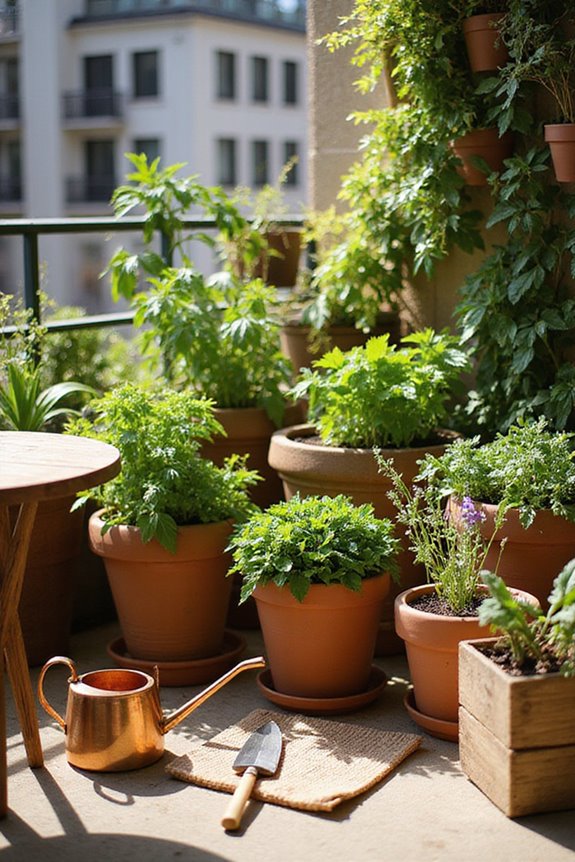
To design container garden layouts, we should follow a few key principles. First, we can use the classic container garden formula, incorporating thriller, filler, and spiller plants. Next, considering proportion and balance is essential; taller plants should be 1.5 to 2 times the container height. Choosing the right container materials—such as clay or plastic—also matters. With these basics, we can start crafting an eye-catching space and discover more techniques for enhancing our garden design.
Key Takeaways
- Choose a mix of thriller, filler, and spiller plants to create visual interest and depth in your container garden layout.
- Select containers that match the scale of your plants and garden space for a cohesive look.
- Arrange plants by height, placing taller thrillers at the back and shorter fillers and spillers in the front.
- Ensure proper drainage in containers to maintain healthy root systems and prevent overwatering issues.
- Consider light and moisture needs when selecting plants to ensure they thrive in their designated spots.
Understanding the Classic Container Garden Formula
When we think about creating a beautiful container garden, understanding the classic container garden formula is essential. This formula includes three key plant types: thriller plants, filler plants, and spiller plants.
- Thriller Plants: These are the vertical focal points, like tall ornamental grasses or dramatic blooms. They add height and draw the eye upward.
- Filler Plants: Positioned between the thrillers and the container edge, these mid-height plants add volume and texture. Brightly colored flowers or lush foliage work well here.
- Spiller Plants: These trailing plants cascade over the edges, adding softness and movement to the garden’s aesthetics.
Principles of Proportion, Scale, and Balance

Designing a container garden requires a keen understanding of proportion, scale, and balance. Here’s how we can work together to achieve visual harmony:
- Proportion Dynamics: Aim for plant heights that are one-and-a-half to two times the container’s height. For wider containers, use the same ratio with the diameter.
- Scale Impact: Match container sizes to your garden’s scale. Large homes need bigger pots, while small spaces benefit from smaller ones.
- Balance Techniques: Use symmetrical or asymmetrical arrangements. Balance heavy plants with lighter ones, and consider grouping strategies to create visual interest. Incorporating container gardening design ideas can further enhance the aesthetic appeal of your layout.
Selecting the Right Containers and Materials

Selecting the right containers and materials is essential for a successful container garden. We should consider the container benefits and how different materials affect our plants’ growth.
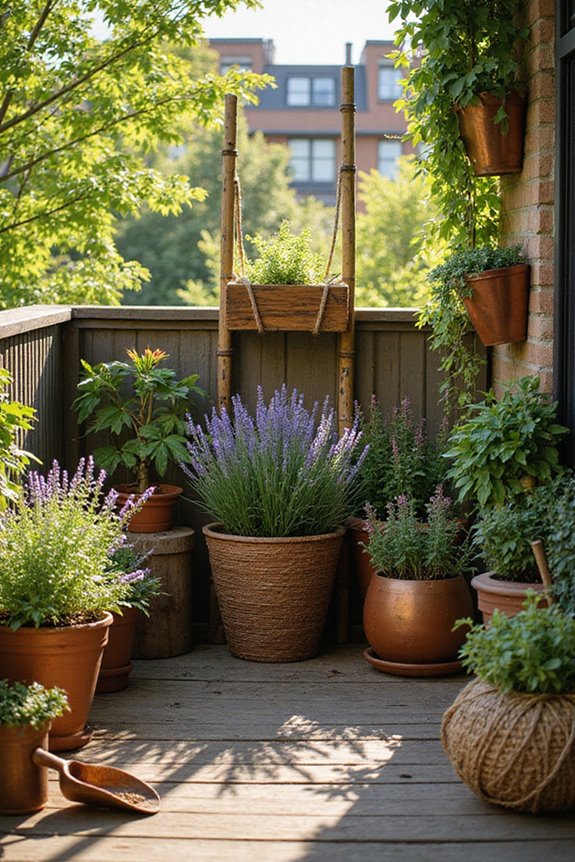
- Clay Pots: Attractive and breathable, but they dry out quickly and need winter protection.
- Plastic Containers: Lightweight and moisture-retentive, but they can tip over in wind.
- Metal Containers: Durable and crack-resistant, yet they can heat up quickly, harming roots.
- Hypertufa: Lightweight and porous, perfect for DIY lovers, though not widely available.
When choosing, think about material durability and how it impacts plant health. Verify containers have drainage holes to prevent root rot. By selecting wisely, we can create thriving, beautiful container gardens together. Additionally, using ergonomic design features in your gardening tools can enhance comfort and efficiency while tending to your container garden.
Recommended Products
INSTANT ARCHITECTURAL PRIVACY | Define your space and create a natural screen with this substantial 60"L x 30"H metal planter rectangle. Perfect for lining a patio, flanking an entryway, or building a "green wall," these extra large planters outdoor provide an elegant, modern solution for separating areas and enhancing seclusion.
CREATE STUNNING LANDSCAPES - At an impressive 30" long and 24" tall, this metal planter rectangle serves as a dramatic focal point for your patio, entryway, or garden. Use these large outdoor planters to define spaces, frame pathways, or showcase your favorite tall grasses and flowers, instantly elevating your outdoor design.
FEEDS UP TO 6 MONTHS: Miracle-Gro Moisture Control Potting Soil Mix feeds plants for up to 6 months and Grows Plants Twice As Big (vs unfed plants)
Choosing the Perfect Plants for Your Container Garden

Choosing the right plants for our container garden is as important as selecting the containers themselves. We should focus on plant compatibility by matching their light and moisture needs. For example, compact hydrangeas thrive in partial shade, while sun-loving ornamental grasses like fountain grass prefer full sun.
Seasonal selection is vital, too. Annuals like petunias and geraniums provide vibrant color throughout the growing season, while perennials can offer lasting beauty. It’s important to choose plants that fit our local climate and can adapt to container conditions. Additionally, understanding local climate zones can significantly enhance our plant selection process.
Here’s a quick guide:
- Assess light exposure (full sun, partial shade).
- Match moisture needs with our watering schedule.
- Select plants based on size and container depth.
This approach guarantees a thriving container garden.
Recommended Products
100% Pure, Non-GMO Seeds - No fillers, favorites only! Includes 27 easy-to-grow species: Cornflower Tall Blue, Siberian Wallflower, Chinese Houses, Coreopsis Lance Leaf, Sweet William, Foxglove, Purple Coneflower, Annual Dames Rocket, Rose Mallow, Toadflax/Spurred Snapdragon, Scarlet Flax, Lemon Mint, Alpine Forget Me Not, Five Spot, Baby Blue Eyes, Evening Primrose, Annual Phlox Red, Catchfly, Shirley Mixed
100% Pure, Non-GMO Seeds - No fillers, favorites only! Includes 16 easy-to-grow species: NE Aster, Butterfly Milkweed, Common Milkweed, Siberian Wallflower, Shasta Daisy, Lance-Leaf Coreopsis, Purple Coneflower, Perennial Gaillardia, Sweet Alyssum Tall White, Narrow Leaf Sunflower, Gayfeather, Perennial Lupine, Russell Lupine, Bergamot, Black-Eyed Susan, Gloriosa Daisy
Regina Apostle Iris is a beautiful and unique cultivar of the iris flower. It is known for its distinctive, large blooms that come in a range of colors, including purple, blue, and white. This iris is a popular choice for gardens and landscapes due to its striking beauty and hardiness.
Creating Dimension, Shape, and Color in Your Design

Creating dimension, shape, and color in our container garden brings it to life. To achieve this, we can explore dimension by incorporating varied planter heights. Mixing tall, medium, and low containers creates a layered effect, much like a skyline. For shape variety, we use the classic “thrillers, fillers, and spillers” approach. Thrillers, like tall grasses, serve as focal points. Fillers, such as bushy plants, occupy space, while spillers drape over edges.
Color plays a key role too. We can use contrasting colors for focal points and complementary hues for harmony. Combining different textures and foliage colors enhances visual interest, ensuring our garden remains appealing, even off-season. Through these strategies, our container gardens can truly flourish. Additionally, incorporating diverse plant selection allows us to create a rich tapestry of colors and textures that maintain visual interest throughout the seasons.
Arranging Containers for Visual Harmony
Arranging our containers thoughtfully can greatly enhance the visual harmony of our garden. To create that harmony, we should focus on height variation. Tall planters can anchor our design, while medium-height containers add layers. Low or trailing plants soften edges and create a natural flow.
We can use the layering strategy to position taller elements at the back and shorter plants in the front. This prevents overshadowing and keeps our arrangement balanced.
Adding spikes or trailing plants brings visual interest and depth. It’s also important to evaluate scale; larger plants need larger containers. By thoughtfully arranging our containers, we can achieve a harmonious garden that draws the eye and invites exploration. Additionally, considering drainage systems is crucial in ensuring healthy plant growth and overall garden vitality.
Recommended Products
💎 Longer Lifespan: Made of 22-gauge 0.8mm thickness corrugated galvanized steel with multi-layer eco-friendly powder coatings. The heavy-duty planter box equipped with interior four stabilizing rods is strong enough to hold soil for decades.
💎 Durable Construction: Made from 22-gauge 0.8mm thick galvanized steel with multi-layer eco-friendly powder coatings for long-lasting use.
Introducing the revolutionary AutoPot 1Pot XXL module - an ingenious expansion of the ever-popular XL range. With the ability to accommodate 9- and 13-gallon fabric FlexiPots, the XXL offers unparalleled adaptability for growers who require the flexibility to switch between pot sizes.
Managing Nutrients for Healthy Plant Growth
Managing nutrients effectively is essential for healthy plant growth in container gardens. To start, we should regularly use a balanced, slow-release fertilizer, ensuring our plants receive steady nutrients. Organic amendments like compost tea and worm castings can enhance nutrient cycling, enriching our soil naturally.
Here are some key practices to follow:
- Test soil periodically to monitor nutrient levels.
- Refresh container soil with fresh potting mix or compost every few seasons.
- Maintain moist, well-drained soil to prevent nutrient loss.
Recommended Products
Ready-to-Use Potting Soil: No mixing required! Michigan Peat General All-Purpose Premium Potting Soil is ready to use straight from the bag, saving you time and effort
EASY TO USE: 4-pack Michigan Peat General All-Purpose Premium Potting Soil is ready to use right out of the bag with no additional mixing
You will receive 10 (1.5 cu ft) bags per order
Considering Space and Mood in Container Placement
When we think about container placement, it’s important to contemplate both space and mood. Here are some key points to reflect upon:
- Spatial Awareness: Use planters of varying heights to create visual depth. Place tall planters as anchors near entryways, while medium-height pots add balance. Low or trailing plants can soften edges.
- Mood Enhancement: Choose plants based on the atmosphere we want to evoke. “Thrillers” like tall, dramatic plants create excitement, while “fillers” and “spillers” can add fullness and softness.
- Scale and Proportion: Match container size to the space. Larger homes need bigger pots for harmony, while grouping different sizes can create interest.
Recommended Products
Perfect garden, backyard, patio, balcony divider and decorative fence. Add greenery appearance to your indoor and outdoor spaces.
Packaging: Each set of grass wall panels has a total size of 120 "L x 40" W. 30 Set of 40" x 40" grass wall panels, each set consisting of 12 smaller 20" x 20" panels, totaling 360 panels
Various Sizes: Greeney grass wall with white flowers pair with our aluminum base (not included) for a sturdy greenery backdrop. The combination of fake grass panels creates a 3D green landscape. No need for watering and care, low maintenance, more convenient
Frequently Asked Questions
How Do I Choose the Right Location for My Container Garden?
When choosing the right location for our container garden, let’s consider sunlight exposure and wind protection. South-facing spots are ideal for sun-loving plants, while sheltered areas can safeguard against harsh winds. We’re in this together!
Can I Use Recycled Materials for My Containers?
Absolutely, we can use recycled containers for eco-friendly gardening! By creatively repurposing items, we not only save money but also contribute to sustainability, making our gardens unique while caring for the planet together.
What Are the Best Tools for Maintaining a Container Garden?
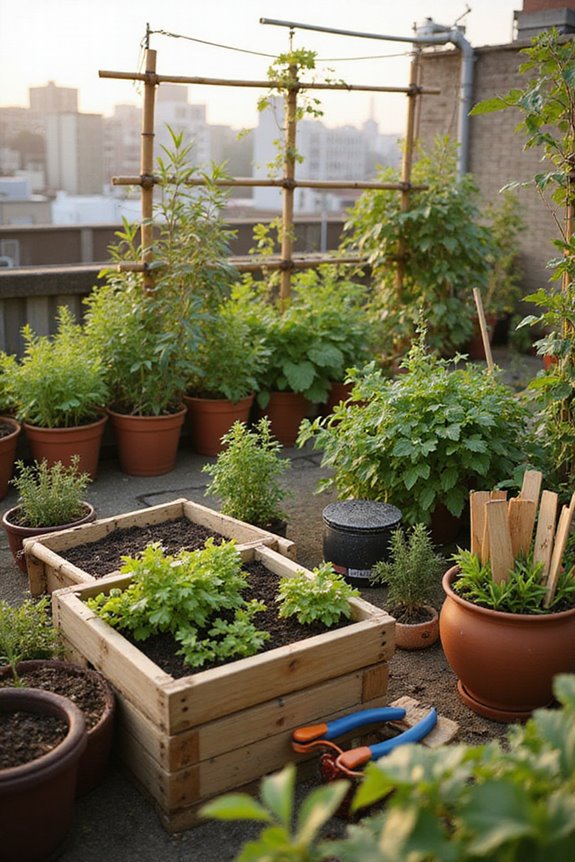
When maintaining our container garden, we should use essential tools like pruning shears for effective pruning techniques and soil scoops for adding soil amendments. Together, we can nurture our plants and create a thriving green space.
How Often Should I Water My Container Plants?
We can’t let our plants dry up like desert tumbleweeds! For ideal plant moisture, we’ll adjust our watering frequency based on the season—daily for new ones in summer, and less in winter. Let’s keep them thriving!
Can I Mix Different Types of Plants in One Container?
Yes, we can mix different plant types in one container! By focusing on plant compatibility, we enhance container aesthetics, creating vibrant displays. Let’s experiment together with colors and textures for a stunning garden experience!