As an Amazon Associate, we earn from qualifying purchases. Some links on this site are affiliate links at no extra cost to you. Our recommendations are based on thorough research and editorial judgment.
How to Repot Indoor Plants: A Step-by-Step 2026 Guide for Thriving Greenery

Repotting is a vital practice for the continued health and growth of your indoor plants. As your beloved greenery flourishes in 2026, their root systems expand, eventually outgrowing their current homes. This essential guide will walk you through the entire process of repotting indoor plants, providing step-by-step instructions, crucial tips, and post-repotting care advice to ensure your plants thrive in their new environment. From recognizing the signs your plant needs a new pot to selecting the perfect new home, mastering repotting will keep your indoor garden vibrant and healthy.
Essential Insights: What Are the Key Takeaways for Repotting Indoor Plants?
- Recognize the Signs: Pay attention to visual cues like roots circling the pot, water draining too quickly, stunted growth, or the plant looking top-heavy—these indicate it’s time to repot.
- Choose the Right Timing: The best time to repot is typically during the plant’s active growing season (spring or early summer), allowing it to recover quickly from transplant shock.
- Select the Perfect Pot: Opt for a new pot that’s only 1-2 inches larger in diameter for most plants. Ensure it has adequate drainage holes to prevent waterlogging.
- Gather Your Tools: Prepare all necessary supplies before you start: new pot, fresh potting mix, pruning shears, gardening gloves, and a trowel.
- Handle with Care: Gently remove the plant from its old pot, carefully inspect its root ball, and prune any damaged or circling roots to encourage healthy new growth.
- Provide Proper Aftercare: After repotting, water the plant thoroughly and place it in a location with indirect light to help it acclimate. Avoid fertilizing immediately to prevent root burn.
When Should You Repot Your Indoor Plants? Recognizing the Signs and Timing
You may be interested

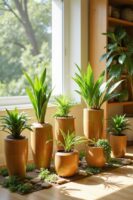
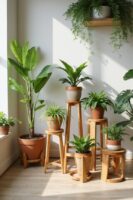
Knowing when to repot indoor plants is crucial for their well-being. Repotting at the right time minimizes stress and promotes vigorous growth. Here are the key indicators and optimal timing for this essential task:
Signs Your Plant Needs Repotting:
- Roots Circling or Protruding: If you see roots growing out of the drainage holes, circling tightly around the soil surface, or forming a dense mat when you gently lift the plant from its pot, it’s severely root-bound.
- Stunted Growth: If your plant’s growth has slowed significantly or stopped altogether, despite adequate watering and light, it might be running out of nutrients and space in its current pot.
- Frequent Watering Required: A plant that needs watering much more frequently than usual, and where water drains very quickly through the pot, often indicates that there’s more root than soil to hold moisture.
- Top-Heavy and Unstable: If your plant is constantly tipping over or looks disproportionately large for its container, it needs a larger, more stable base.
- Mineral Buildup on Soil Surface: White or crusty mineral deposits on the soil surface or edges of the pot can indicate a buildup that needs to be refreshed with new potting mix.
Optimal Timing for Repotting:
The best time to repot most indoor plants is during their active growing season, which is typically spring or early summer in 2026. During this period, plants are putting out new growth and have more energy to recover from the stress of repotting. Avoid repotting in late fall or winter when most plants are dormant or growing slowly, as they will have a harder time recovering.
How to Choose the Right Pot for Your Indoor Plant’s New Home?
Selecting the appropriate new pot is as important as the repotting process itself. The right container provides adequate space, proper drainage, and stability for your plant’s continued development:
Pot Size:
- Gradual Increase: For most plants, choose a pot that is only 1 to 2 inches larger in diameter than its current one. A pot that is too large can hold excessive moisture, leading to root rot.
- Exceptions: Fast-growing plants or those that prefer to be slightly root-bound (e.g., peace lilies, spider plants) might benefit from a slightly larger jump, but always proceed with caution.
- Depth: Ensure the new pot is deep enough to accommodate the root ball without cramping and allows for a layer of fresh potting mix beneath it.
Pot Material:
- Terracotta/Clay Pots: Porous material allows for excellent air circulation to the roots and wicks away excess moisture, making them ideal for plants that prefer drier soil or are prone to root rot (e.g., succulents, cacti, ZZ plants). However, they can dry out faster.
- Plastic Pots: Non-porous, retaining moisture longer, which is beneficial for plants that prefer consistently moist soil (e.g., ferns, calatheas). They are also lightweight and less prone to breaking.
- Ceramic Pots: Similar to plastic in moisture retention, often decorative but heavier. Ensure they have drainage holes.
- Glazed Pots: Also non-porous, offering good moisture retention and decorative appeal.
Drainage:
Crucially, ensure the new pot has adequate drainage holes. Without proper drainage, water can accumulate at the bottom, creating a waterlogged environment that suffocates roots and leads to rot. Never use a pot without drainage holes unless you are an experienced gardener utilizing specific watering techniques like the false bottom method or cachepot system.
How to Select the Best Potting Mix for Your Repotted Indoor Plants?
The potting mix is your plant’s foundation, providing nutrients, aeration, and moisture retention. Using the correct type of potting mix is vital for success:
- General Purpose Potting Mix: A high-quality, peat-based or coco coir-based potting mix is suitable for most common indoor foliage plants. Look for mixes that are light, airy, and contain perlite or vermiculite for drainage and aeration.
- Specialized Potting Mixes:
- Cactus/Succulent Mix: Drains rapidly and has a grittier texture, essential for drought-tolerant plants to prevent root rot.
- Orchid Mix: Consists of bark, charcoal, and perlite, designed to provide excellent drainage and air circulation for epiphytic orchids.
- African Violet Mix: Lighter and more fibrous, providing good moisture retention while remaining airy.
- Seed Starting Mix: Too fine and sterile for repotting mature plants, but good for starting seeds.
- Avoid Garden Soil: Never use soil from your outdoor garden for indoor plants. It’s too dense, can compact easily, and may contain pests, diseases, or weed seeds.
- Freshness Matters: Always use fresh potting mix. Old, opened bags can harbor fungus gnats or lose their beneficial properties.
What Supplies Do You Need for Successful Indoor Plant Repotting?
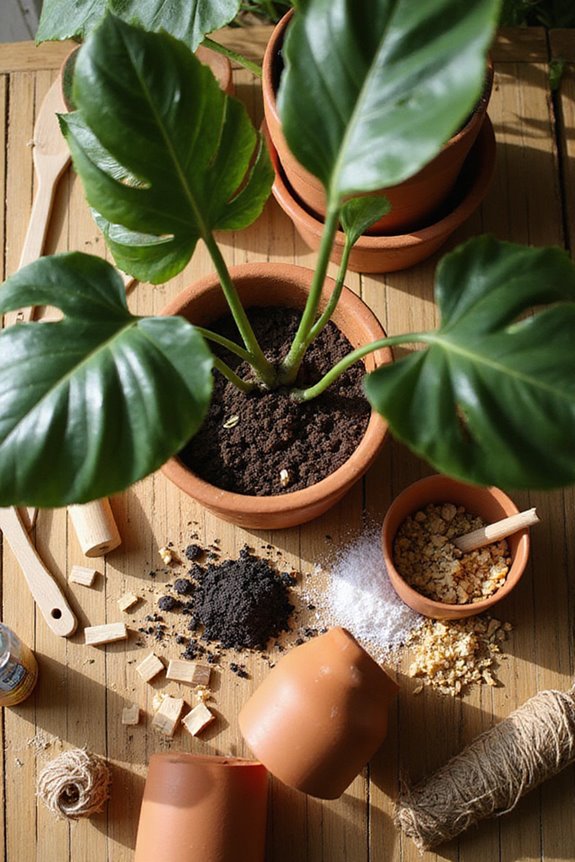
Before you begin the repotting process, gather all your necessary tools and materials. Having everything at hand will make the process smoother and less stressful for both you and your plant:
- New Pot: The chosen pot with drainage holes (1-2 inches larger than the old one).
- Fresh Potting Mix: The correct type of mix for your specific plant.
- Pruning Shears or Scissors: Clean and sharp, for pruning roots and any damaged foliage.
- Gardening Gloves: To protect your hands and keep them clean.
- Trowel or Small Shovel: For scooping and manipulating potting mix.
- Newspaper or Tarp: To protect your workspace from spilled soil.
- Watering Can: For pre- and post-repotting hydration.
- Optional: Rooting hormone (for delicate plants), stakes or plant ties (for tall or unstable plants), pebbles or screen (to cover drainage holes if desired, though often unnecessary).
Step-by-Step Guide: How to Repot Your Indoor Plant Successfully?
Follow these steps carefully to ensure a smooth transition for your indoor plant into its new home:
Step 1: Preparation is Key
- Water the Plant: Water your plant thoroughly a day or two before repotting. This helps the root ball stay intact and makes it easier to remove from the old pot.
- Prepare Your Workspace: Lay down newspaper, a tarp, or a plastic sheet to protect your work surface. Gather all your supplies within easy reach.
- Prepare the New Pot: If your new pot has a very large drainage hole, you can cover it with a piece of mesh screen or a coffee filter to prevent soil from escaping while still allowing water to drain. Avoid using large rocks or pot shards at the bottom, as this can impede drainage rather than help it.
Step 2: Gently Remove the Plant from its Old Pot
- Loosen the Soil: If the plant is stubborn, gently run a knife or trowel around the inner edge of the old pot to loosen the soil.
- Invert the Plant: Place one hand over the top of the pot, with your fingers spread to support the plant’s base and stem. Gently invert the pot.
- Tap and Pull: Tap the rim of the pot on a hard surface or gently squeeze flexible plastic pots. Wiggle the pot until the plant slides out. If it’s still stuck, you might need to try harder or cut the pot if it’s a cheap plastic one. Never pull the plant by its stem.
Step 3: Inspect and Prepare the Root Ball
- Loosen Roots: Gently tease apart some of the outer roots with your fingers or a small tool. If the roots are tightly matted and circling, make a few vertical cuts down the sides of the root ball to encourage new outward growth.
- Prune Damaged or Circling Roots: Use clean, sharp pruning shears to cut away any brown, mushy, or unhealthy-looking roots. Also, prune excessively long or tightly circling roots to encourage the plant to send out fresh, healthy feeder roots. Aim to remove no more than 20-30% of the root mass.
- Remove Old Soil: Gently remove some of the old, depleted potting mix from around the root ball.
Step 4: Place the Plant in its New Pot
- Add Fresh Potting Mix: Add a layer of fresh potting mix to the bottom of the new pot. The amount depends on how deep the plant needs to sit.
- Check Plant Height: Place the plant in the new pot temporarily to check the height. The top of the root ball should be about 1 inch (2.5 cm) below the rim of the new pot, leaving space for watering. Adjust the amount of soil at the bottom until the height is correct.
- Center the Plant: Center the plant in the new pot, ensuring it stands upright.
Step 5: Fill with New Potting Mix
- Fill Around the Roots: Carefully fill the pot with fresh potting mix, working it gently around the root ball. Lightly tap the pot a few times on your workspace to help the soil settle and remove air pockets.
- Do Not Compact Excessively: Avoid pressing the soil down too firmly, as this can compact it and reduce aeration, making it difficult for roots to breathe and water to penetrate.
- Leave Space from the Rim: Ensure you leave about 1 inch (2.5 cm) of space between the soil surface and the rim of the pot. This is essential for watering, preventing overflow.
Post-Repotting Care: Nurturing Your Plant After Its New Home
The period immediately following repotting is crucial for your plant’s recovery. Proper aftercare minimizes transplant shock and helps your plant establish itself quickly:
- Initial Watering: Water the plant thoroughly immediately after repotting until water drains from the bottom. This helps settle the new soil around the roots and eliminates any remaining air pockets.
- Light Placement: Place the newly repotted plant in an area with indirect light for about a week. Direct, intense sunlight can add stress to an already recovering plant. Gradually reintroduce it to its preferred light conditions.
- Avoid Fertilizing: Do not fertilize your plant for at least 4-6 weeks after repotting. Fresh potting mix typically contains enough nutrients, and adding fertilizer too soon can burn fragile, recovering roots.
- Monitor Watering: Adjust your watering schedule. The new pot size and fresh soil will hold moisture differently than before. Check the soil moisture regularly, and only water when the top inch or two of soil feels dry.
- Humidity: For plants that prefer high humidity, misting or placing them near a humidifier can aid recovery.
- Patience: Some plants may exhibit signs of transplant shock, such as temporary wilting or yellowing leaves. This is often normal and usually resolves itself within a week or two as the plant adjusts.
Troubleshooting Common Repotting Issues: What to Do if Your Plant Struggles?
Even with the best intentions, plants can sometimes show signs of stress after repotting. Here’s how to troubleshoot common issues:
- Wilting: If your plant wilts despite the soil being moist, it might be experiencing transplant shock. Ensure it’s in indirect light, keep the soil consistently moist (but not soggy), and maintain good humidity. Avoid overwatering in an attempt to revive it.
- Yellowing Leaves: A few yellowing lower leaves can be normal as the plant sheds older foliage to focus energy on new root growth. However, widespread yellowing can indicate overwatering (too much moisture, inadequate drainage) or underwatering (not enough water to new roots). Check soil moisture carefully.
- No New Growth: If growth remains stagnant for several weeks, ensure the plant is receiving adequate light and proper watering. You might consider a very diluted balanced liquid fertilizer after the initial 4-6 week recovery period.
- Root Rot: If the plant continues to decline rapidly, showing signs like mushy stems or strong odor from the soil, it might have root rot due to overwatering or a pot that’s too large. You may need to unpot the plant, prune rotten roots, and repot into a smaller pot with fresh, well-draining soil.
Frequently Asked Questions About Repotting Indoor Plants
How Often Should I Repot My Indoor Plants?
The frequency of repotting varies by plant species. Fast-growing plants (like Pothos or Ficus elastica) may need repotting annually, while slower-growing varieties (such as ZZ plants or Sansevieria) can comfortably stay in their pots for 2 to 3 years, or even longer. Always observe the plant for the signs of being root-bound rather than sticking to a strict schedule.
Should I Water My Plant Immediately After Repotting?
Yes, for most foliage plants, it is recommended to water thoroughly immediately after repotting. This helps settle the new soil around the roots, eliminates air pockets, and provides essential moisture for recovery. However, for succulents and cacti, it’s best to wait a few days (3-7 days) before watering to allow any root wounds to heal, preventing potential rot.
Can I Repot My Plant into a Much Larger Pot?
It is generally not recommended to repot a plant into a pot that is significantly larger (more than 2 inches wider) than its current one. A much larger pot holds excess soil and moisture, which can lead to overwatering and root rot because the plant’s root system isn’t large enough to absorb all the available water. Stick to a pot that is only slightly larger to promote healthy, balanced growth.
What is Transplant Shock and How Can I Prevent It?
Transplant shock is a temporary stress response plants experience after repotting, characterized by wilting, yellowing leaves, or stunted growth. It occurs as the plant adjusts to its new environment and damaged roots recover. To prevent it, repot during the active growing season, handle the root ball gently, don’t over-prune healthy roots, and provide proper post-repotting care (indirect light, consistent moisture, no immediate fertilization).
How Do I Know if My Potting Mix is Good Quality?
Good quality potting mix should be light, airy, and well-draining, yet still capable of retaining some moisture. It should not be dense, heavy, or compacted. Ingredients often include peat moss or coco coir, perlite or vermiculite for aeration, and possibly some slow-release fertilizer. Avoid mixes that look like garden soil, smell foul, or are infested with pests.
Should I Fertilize My Plant Immediately After Repotting?
No, it is generally advised to avoid fertilizing your plant immediately after repotting. Most fresh potting mixes contain enough nutrients to sustain the plant for several weeks. Fertilizing too soon can stress the plant and potentially burn its delicate, recovering roots. Wait at least 4-6 weeks before resuming your regular fertilization schedule, or until you see signs of new growth.
Can I Reuse Old Potting Mix?
It’s generally not recommended to reuse old potting mix directly. Over time, old soil becomes depleted of nutrients, can compact, and may harbor pests or disease pathogens. While you can amend old soil with fresh compost, perlite, and new potting mix for outdoor use, for indoor plants, starting with fresh, sterile potting mix is the safest and healthiest option.