As an Amazon Associate, we earn from qualifying purchases. Some links on this site are affiliate links at no extra cost to you. Our recommendations are based on thorough research and editorial judgment.

How To Create Optimal Growing Environments in 2026

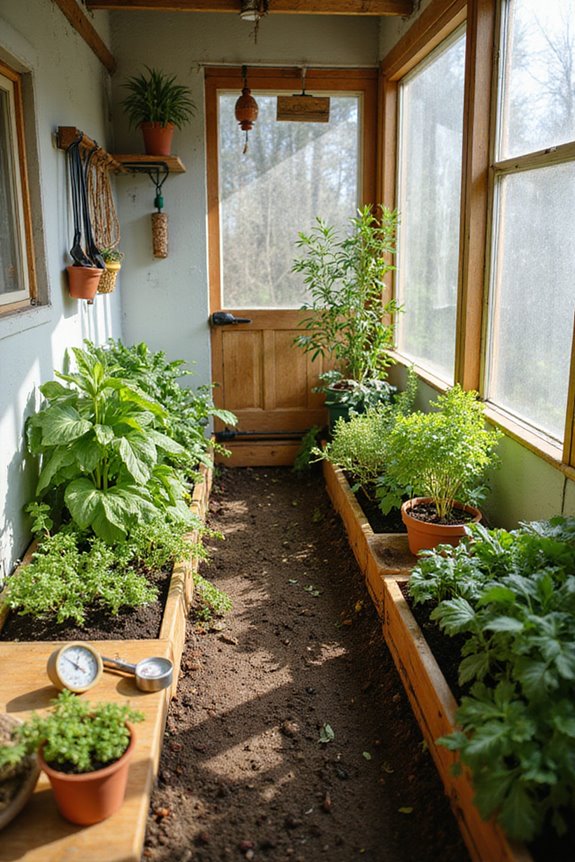
Creating an optimal growing environment in 2026 requires precise control over six core environmental factors: light intensity and spectrum, temperature ranges, relative humidity (VPD), root zone hydration, nutrient availability, and atmospheric airflow with CO2 ventilation. Balancing these variables accelerates photosynthesis, strengthens plant immunity, and yields healthier crops in indoor grow rooms, greenhouses, and container gardens.
Table of Contents
Optimal Environmental Target Matrix by Plant Growth Stage in 2026
Different growth stages demand distinct microclimates to thrive. The table below outlines target parameters across all major growth phases for indoor plants and crops in 2026.
| Growth Stage | Day Temp (°C / °F) | Night Temp (°C / °F) | Relative Humidity (%) | Target VPD (kPa) | Light Intensity (PPFD) | Soil pH Range |
|---|---|---|---|---|---|---|
| Clones & Seedlings | 22°C – 26°C (72°F – 78°F) | 20°C – 22°C (68°F – 72°F) | 70% – 80% RH | 0.4 – 0.8 kPa | 100 – 300 µmol/m²/s | 5.8 – 6.5 pH |
| Vegetative Stage | 24°C – 28°C (75°F – 82°F) | 18°C – 22°C (65°F – 72°F) | 55% – 70% RH | 0.8 – 1.2 kPa | 400 – 600 µmol/m²/s | 6.0 – 6.8 pH |
| Flowering & Fruiting | 20°C – 26°C (68°F – 78°F) | 16°C – 20°C (60°F – 68°F) | 40% – 50% RH | 1.2 – 1.6 kPa | 600 – 1000 µmol/m²/s | 6.2 – 6.8 pH |
| Late Harvest / Ripening | 18°C – 24°C (65°F – 75°F) | 15°C – 18°C (59°F – 65°F) | 35% – 45% RH | 1.3 – 1.7 kPa | 500 – 800 µmol/m²/s | 6.0 – 6.5 pH |
1. Light Spectrum & Photoperiod Optimization
Light is the primary driver of plant photosynthesis. In 2026, modern full-spectrum LED grow lights allow gardeners to tailor precise photon flux density (PPFD) and wavelengths to match natural sunlight.
You may be interested



- Blue Wavelengths (400-500 nm): Promotes dense, compact vegetative growth, strong stems, and thick leaf development during early growth.
- Red Wavelengths (600-700 nm): Triggers hormone signaling for flowering, bud formation, fruit set, and stem elongation.
- Far-Red (700-750 nm) & UV Light: Far-red light stimulates the Emerson enhancement effect when paired with red light, while mild UV-A/UV-B exposure boosts plant terpene and antioxidant defense production.
- Daily Light Integral (DLI): Aim for a total DLI of 15 to 30 mol/m²/day depending on whether growing leafy greens or high-light flowering crops.
Recommended Products

5000K White Full Spectrum Light: Barrina T5 grow lights 1ft provide indoor plants with full-spectrum sunlight replacement. We provide the most reasonable grow light wave based on the ratio of the absorption of the plant

FULL SPECTRUM & NATURAL LIGHT: A19 full spectrum grow light appears 4000K white to eyes but has a red/blue light spectrum. Same as natural sun shine, perfect for tomatoes, cucumbers, peppers, leafy greens and herbs at all growth stages.

Unique Exterior Design: This led grow light strip 1ft made in a black casing with aluminum instead of white casing. Make it look even better and more integrated into your fine home furnishings. Dark cords instead of white so as to minimize the observance of cords running through your plant displays
2. Temperature & Vapor Pressure Deficit (VPD) Control
Temperature dictates plant metabolic rates, enzyme activity, and nutrient absorption. However, temperature must always be evaluated in conjunction with relative humidity through Vapor Pressure Deficit (VPD).
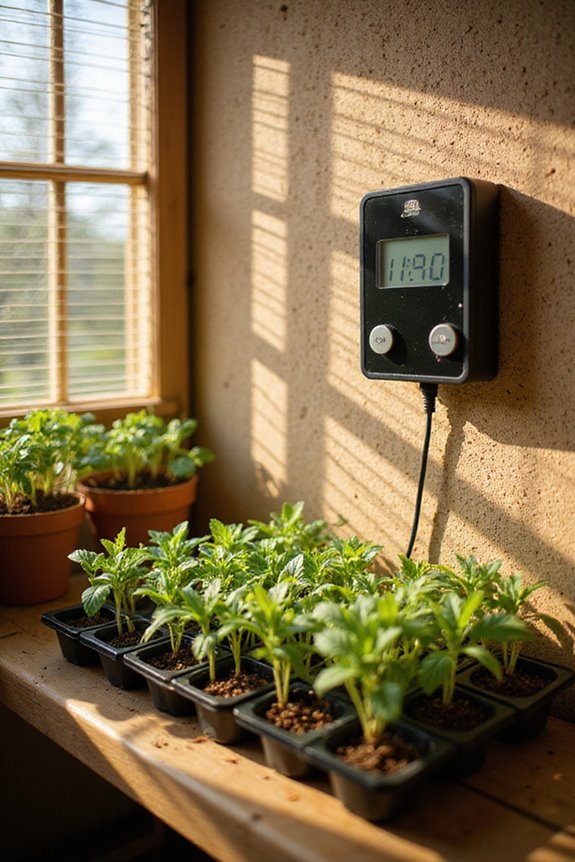
- Day vs. Night Temperature Differential (DIF): Maintain a comfortable day/night temperature drop of 3°C to 5°C (5°F to 9°F). Excessive night temperature drops induce cold shock and stunt root growth.
- Understanding VPD: VPD measures the drying power of the air (the difference between the pressure exerted by water vapor inside leaf stomata versus ambient room air). Low VPD (<0.6 kPa) causes stagnant transpiration and nutrient deficiencies, whereas high VPD (>1.6 kPa) causes leaf stomata to close, stressing the plant.
- Managing Humidity: Utilize ultrasonic humidifiers during early propagation and commercial dehumidifiers during late flowering to prevent powdery mildew and bud rot.
Recommended Products

【Easy to use】 Supports °C/°F display.

EFFORTLESS COOLING SETUP: Simply place the probe, plug in digital temperature controller, and use the large 3-button interface on this thermostat controller to choose your desired temperature. Digital display supports units in both Fahrenheit and Celsius.

[Powerful Performance & Safety] Equipped with a 15A high-power output, this plug in thermostat supports up to 1800W heating capacity; and ensures stable operation of high-power heaters even under extreme conditions, effectively preventing overload and protecting your equipment from damage
3. Soil Hydration & Root Zone Aeration
Healthy root systems require an optimal ratio of 50% solid media, 25% water, and 25% air pockets. Compacted or waterlogged soil starves root cells of oxygen, leading to pythium root rot and nutrient lockout.
- Well-Draining Soil Mixes: Amend potting soil with 20% to 30% perlite, pumice, or coarse coco coir to maximize drainage and porosity.
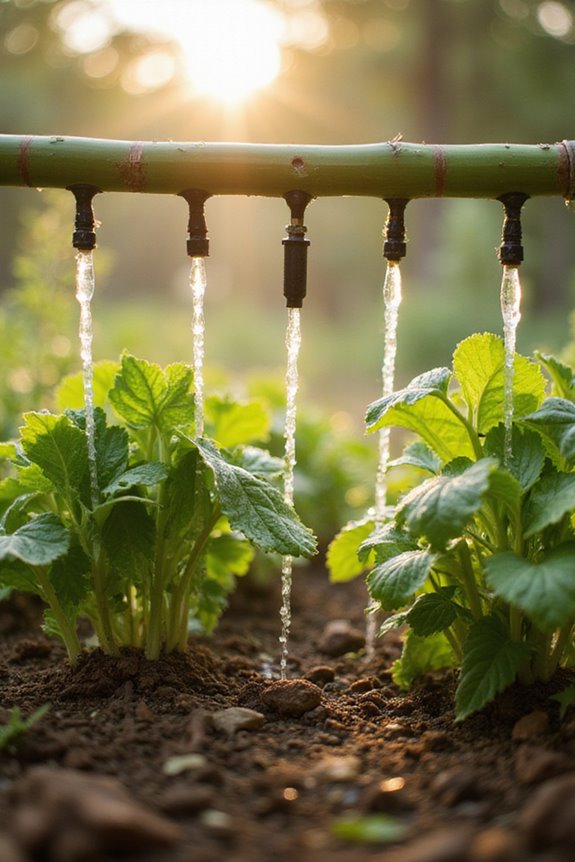
- Smart Watering Protocols: Water thoroughly until 10% to 20% runoff emerges from bottom drainage holes, then allow the top 1-2 inches of soil to dry before the next irrigation cycle.
- Aeration Containers: Use fabric smart pots or breathable bamboo planters that promote air-pruning of roots, preventing root binding and improving oxygen exchange.
Recommended Products

Everything in One Box – Everything included: 100FT 1/4" tubing, 24 nozzles, connectors, stakes, ties & end caps. Covers small/medium gardens effortlessly

【Universal 1/4 Inch Size Set】- Designed for US market compatibility,MIXC new drip irrigation system set uses 1/4 inch (6mm) components to address potential mismatches with standard hoses, unlike some 5/16 inch systems. It includes 2-way connectors, tubing, and 3-way connectors to help users set up DIY garden irrigation more conveniently.

NO MORE HARD INSTALLATION - SET UP IN MINUTES. Tired of struggling with stiff barbed fittings? This drip irrigation system features quick-connect fittings that let you push, lock, and secure tubing effortlessly. No tools, no leaks, just a smooth setup experience. Enjoy a frustration-free installation and get your garden watering system running in minutes.
4. Precision Nutrient Delivery & pH Stabilization
Plants absorb mineral elements through chemical ion exchange at specific pH levels. If root zone pH strays outside target bounds, essential elements become chemically unavailable (locked out) regardless of fertilizer concentration.
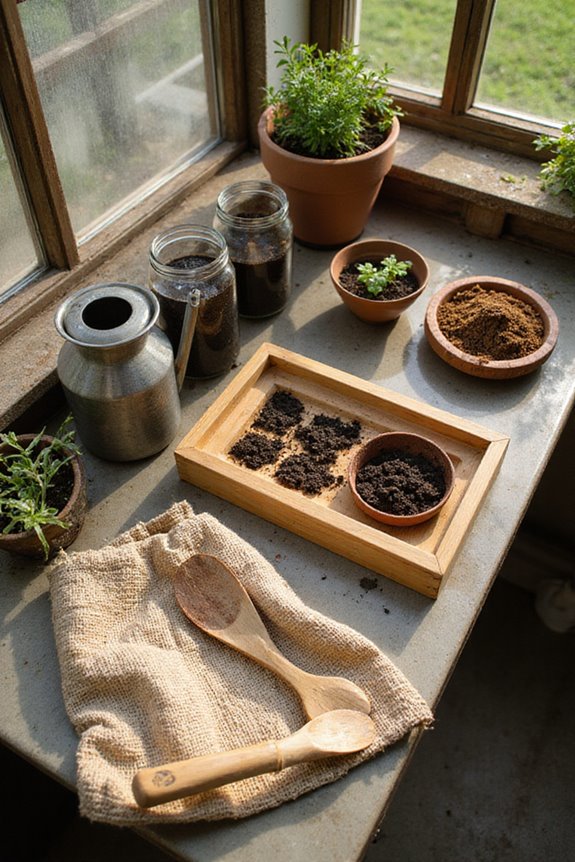
- Soil vs. Hydroponic pH Targets: Maintain organic soil environments between 6.0 and 6.8 pH. For coco coir and hydroponic systems, maintain a tighter 5.8 to 6.2 pH window.
- Electrical Conductivity (EC) Monitoring: Measure nutrient solution strength using a digital EC meter. Seedlings require 0.8 to 1.2 mS/cm, while mature flowering plants thrive at 1.6 to 2.2 mS/cm.
- Essential Macro & Micronutrients: Ensure balanced Nitrogen (N) for vegetative foliage, Phosphorus (P) for root/flower development, Potassium (K) for water regulation, alongside Calcium, Magnesium, and Iron.
Recommended Products

Comprehensive 4-in-1 Soil Analysis: Test pH, Nitrogen, Phosphorus & Potassium in One Kit – Gain a complete understanding of your soil's condition with a single kit. Measure key parameters to help optimize your garden's growth potential, whether for flowers, vegetables, or lawns

Quick, at home results for Soil pH, Nitrogen, Phosphorous and Potash Innovative and inexpensive soil test kit features an easy-to-use capsule system and patented color comparators

Comprehensive Soil Analysis: Liquid soil test kits offer a comprehensive analysis of essential soil parameters, including pH, ammonia, nitrogen, phosphorus, and potassium. Having all these measurements in one kit provides a holistic understanding of the soil's fertility and health.
5. Air Circulation & CO2 Ventilation
Airflow refreshes the boundary layer of air surrounding plant leaves, supplying carbon dioxide for photosynthesis while removing excess transpiration moisture.
- Oscillating Circulation Fans: Position fans above and below the canopy to create a gentle, continuous breeze that strengthens plant stems without causing windburn.
- Exhaust & Fresh Air Intake: Use inline duct fans with carbon filters to exchange total room air volume once every 1 to 3 minutes.
- CO2 Enrichment: Ambient air contains roughly 400 ppm of CO2. Supplementing CO2 up to 1,000-1,200 ppm under high-intensity lighting increases photosynthetic capacity and plant growth speed by up to 20-30%.
Smart Environmental Monitoring & Automation Tools
Modern growers in 2026 rely on integrated environmental controllers and IoT sensors to maintain steady parameters automatically:
- Smart Temperature & Humidity Controllers: Trigger exhaust fans or heaters automatically when room levels cross preset VPD thresholds.
- Soil Moisture Probes: Monitor root zone volumetric water content (VWC) to trigger automated drip irrigation precisely when plants need hydration.
- Automated Timer Switches: Regulate photoperiod light cycles with down-to-the-second accuracy.
Frequently Asked Questions
What Is the Ideal Temperature Range for Most Indoor Plants?
Most tropical indoor plants and vegetables thrive between 18°C and 28°C (65°F to 82°F). Sustained temperatures above 32°C (90°F) cause heat stress, foliage wilting, and stomatal closure, while temperatures below 12°C (54°F) stall growth.
How Does Vapor Pressure Deficit (VPD) Impact Plant Health?
VPD measures atmospheric drying power. When VPD is optimized (0.8 to 1.2 kPa for veg, 1.2 to 1.6 kPa for bloom), plants transpire water smoothly, pulling nutrients from the roots to leaves without moisture stress or humidity rot risks.
How Often Should Air Exchange Occur in an Indoor Grow Space?
In enclosed grow rooms, exchange the full volume of air once every 1 to 3 minutes using an inline exhaust fan. This replaces depleted CO2 and expels heat and humidity build-up.
Why Is Soil pH Important for Plant Growing Environments?
Soil pH controls nutrient solubility. If soil is too acidic (<5.5) or too alkaline (>7.5), vital minerals like Nitrogen, Calcium, and Iron form insoluble compounds that roots cannot absorb, leading to severe leaf yellowing.
Can You Enrich CO2 Without High Light Levels?
No, plants can only utilize elevated CO2 levels (800-1200 ppm) when light intensity is sufficiently high (PPFD > 600-800 µmol/m²/s). Adding extra CO2 under low light conditions provides no benefit and wastes resources.