As an Amazon Associate, we earn from qualifying purchases. Some links on this site are affiliate links at no extra cost to you. Our recommendations are based on thorough research and editorial judgment.

What Are Advanced Plant Care Certifications?

Advanced plant care certifications recognize our specialized skills in horticulture. They help us manage plant health with greater expertise. These certifications are ideal for industry professionals, graduate students, and gardening enthusiasts. The core curriculum covers plant function, soil management, and pest control. We can learn through online courses and flexible scheduling options. By obtaining these certifications, we enhance our job prospects and connect with other professionals. Let’s explore what these paths offer in more detail.
Key Takeaways
- Advanced Plant Care Certifications validate expertise in horticulture, focusing on plant health management and specialized knowledge beyond basic gardening.
- The programs target industry professionals, graduate students, and gardening enthusiasts, enhancing their skills and credibility in plant care.
- Core curriculum includes plant ecology, soil management, and practical skills, with requirements for project completion and volunteer hours.
- Certifications are offered through online learning, allowing flexible access and international participation for diverse learners.
- Key benefits include career advancement, marketability, networking opportunities, and staying current with industry practices in horticulture.
Definition and Purpose of Advanced Plant Care Certifications
You may be interested



Advanced Plant Care Certifications are formal programs designed to recognize individuals who have specialized knowledge and skills in horticulture. These certifications validate our expertise beyond basic gardening. They equip us with the in-depth horticultural skills needed to improve plant health and management practices.
The purpose of these certifications includes:
- Career Advancement: They prepare us for more responsible roles in horticulture.
- Community Outreach: Certified members can effectively share their knowledge, enhancing local education.
- Benchmarking: Certifications serve as milestones for ongoing professional development.
Target Audience for Certification Programs

Various groups benefit from Advanced Plant Care Certifications, each with unique goals and needs. The primary target audience includes industry professionals like commercial growers and landscape contractors. They seek certifications to enhance their skills, ensuring they stay competitive and meet industry standards.
Graduate students also find value in these programs, using certifications to specialize in areas like urban agriculture. For non-degree students, such as gardening enthusiasts, certifications provide a way to gain knowledge without pursuing formal degrees.
Small business owners look to certification programs for credibility and expertise, while extension agents need up-to-date knowledge to educate local communities. Each audience brings diverse motivations, but they all share a commitment to advancing their plant care knowledge.
Core Curriculum Components

When we explore the core curriculum components of Advanced Plant Care Certifications, it becomes clear that a well-structured program is vital for effective learning. The curriculum structure includes tailored training modules that cover various aspects of plant care.
- Core Foundations: Topics like Plant Form and Function and Plant Ecology help us understand essential concepts.
- Specialty Areas: We delve into soil management, invasive plants, and plant health education.
- Practical Skills: Training includes field identification techniques and irrigation practices for hands-on experience.
- Certification Requirements: Completing projects and logging volunteer hours guarantees we apply our knowledge.
Recommended Products


Pocket Guide to Trees and Shrubs of North America

Delivery Formats and Accessibility

Exploring the delivery formats and accessibility of Advanced Plant Care Certifications reveals a range of options designed to meet diverse learner needs.
- Online Learning Opportunities
- Most certifications are fully online, perfect for working professionals.
- Self-paced modules allow us to manage our time flexibly.
- The enrollment process is straightforward, mainly requiring online applications.
- Programs often have multiple start dates, accommodating various schedules.
- Many distance education programs welcome international students, breaking geographic barriers.
- Support services like academic advising enhance our learning experience.
With these diverse pathways, we can find a certification that fits our lifestyle and goals in plant care.
Recommended Products

Indoor plant care: Miracle-Gro Indoor Plant Food Spikes provide low-maintenance feeding for healthier plants (vs unfed when used as directed)

Miracle-Gro Indoor Plant Food for All Plants contains nutrients for healthier, stronger plants (vs unfed when used as directed)

Designed for Indoor Houseplants Our indoor plant food is formulated to provide the balanced nutrition houseplants need to thrive indoors.
Certification Levels and Requirements
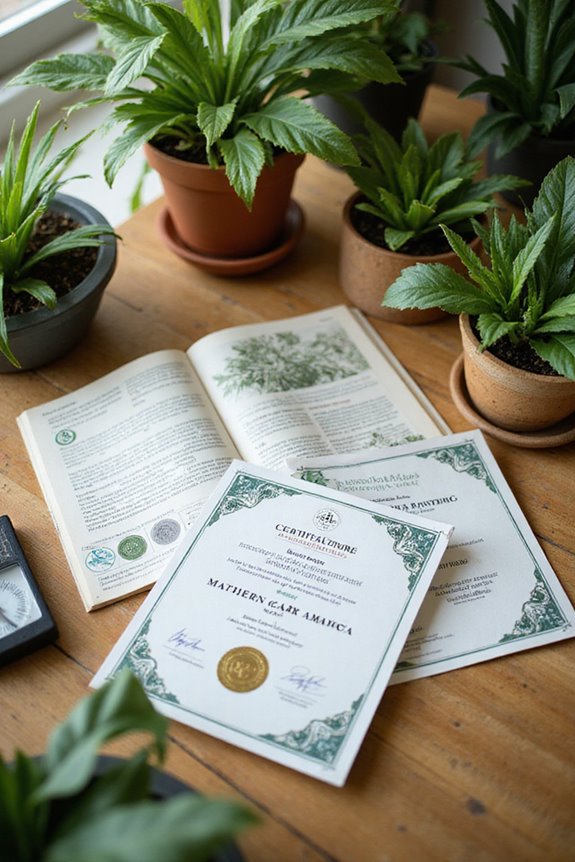
Understanding certification levels and requirements is key for anyone interested in advancing their plant care skills. There are various certification types, ranging from beginner to advanced levels, like Master Gardener and Advanced Master Gardener. Each level has specific volunteer expectations.
- Entry-Level: Requires 35 hours of volunteer service and education.
- Advanced Level: Needs at least 60 cumulative volunteer hours and 45 educational hours.
- Specialty Levels: Bronze requires 200 volunteer hours; Silver needs 500; Gold starts at 1,000 volunteer hours and 100 educational hours.
As we progress, we demonstrate our commitment and mastery in plant care, paving the way for more responsibilities in horticulture practices.
Key Benefits of Advanced Certifications
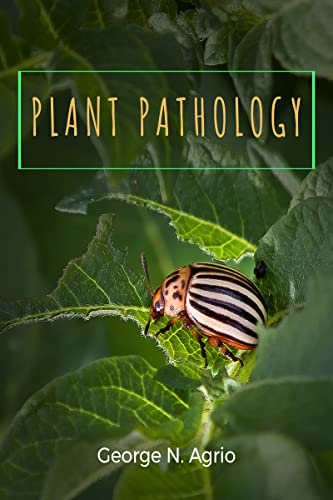
Advanced certifications in plant care offer numerous benefits that can greatly enhance our expertise and career prospects. First, they deepen our understanding of complex topics like plant pathology and pest management. This knowledge allows us to tailor our approaches to diverse ecosystems.
Second, certification advantages boost our marketability. Employers recognize our commitment and expertise, often leading to higher earning potential and better job opportunities.
Lastly, these certifications connect us to professional networks. We gain access to exclusive workshops and ongoing education, ensuring we stay current with industry practices.
Recommended Products


Career Applications in Horticulture
Career applications in horticulture are diverse and rewarding, reflecting the knowledge gained from advanced certifications. With these certifications, we can explore various roles, enhancing our job prospects. For example, we might become horticulturists, maintaining beautiful gardens and parks. Alternatively, roles like horticulture consultants allow us to provide expert advice on plant care.
- Career Advancement: Specialized roles like soil scientists or greenhouse managers let us focus on specific areas of interest.
- Educational Opportunities: Positions such as horticultural educators and extension agents enable us to share our knowledge with others.
Examples of Popular Certification Programs
Several popular certification programs can help us advance our knowledge and skills in plant care. For instance, the Michigan State University & University of Florida Plant Health Professional Certificate focuses on greenhouse and controlled environment industries. It covers essential topics while integrating emerging technologies.
Next, the Certified Plantscape Technician – Interior (CPT-I) offers online training in interior plantscaping, promoting industry trends in plant care and client interaction.
Additionally, the Brooklyn Botanic Garden Certificate in Horticulture is perfect for aspiring horticulturists, combining lectures with hands-on experience in urban gardening.
Lastly, the California Native Plant Landscaper Certification Program emphasizes native landscaping, which aligns with biodiversity efforts. Each program enhances our expertise and supports our career growth in plant care.
Recommended Products


ZANADOO SWEET CORN SEED - Extremely productive, sweet and vigorous bi-colored corn. Robust flavored corn with long husks that provide great ear protection. Produces around 2 ears per 6 1/2' tall plant. This is a true workhorse variety.
Frequently Asked Questions
How Long Do Advanced Plant Care Certifications Typically Take to Complete?
Isn’t it ironic how long completion timelines can feel? Typically, advanced plant care certifications take one to two years, but we can pace ourselves, balancing program duration with our busy lives and personal growth aspirations.
Are There Any Age Restrictions for Enrolling in Certification Programs?
When we consider enrollment requirements, we find that age eligibility varies. Most programs don’t impose strict age restrictions, allowing us all to pursue our passion for plant care, regardless of when we choose to begin.
Do Certification Programs Offer Job Placement Assistance After Completion?
Isn’t it reassuring to know that many certification programs offer job assistance? Together, we can explore various career opportunities, as these programs often connect us to internships and potential employers in the thriving plant care industry.
Can I Transfer Credits From One Certification Program to Another?
We recognize credit transfer can be tricky. It often hinges on certification equivalency and the specific rules of each program. Let’s explore options together to see how we can make your shift smoother!
What Is the Cost Range for Advanced Plant Care Certification Programs?
Did you know advanced certifications can cost between $500 and $700? By conducting a cost analysis and program comparison, we can discover the best options that fit our goals and budget while fostering our passion for plant care.