As an Amazon Associate, we earn from qualifying purchases. Some links on this site are affiliate links at no extra cost to you. Our recommendations are based on thorough research and editorial judgment.


How to Find Quality Bamboo Manufacturers: Your Comprehensive 2026 Guide

In the burgeoning market for sustainable products, finding quality bamboo manufacturers is paramount for businesses in 2026. This comprehensive guide provides a step-by-step framework to identify and partner with reliable suppliers who uphold stringent quality benchmarks, adhere to critical compliance certifications, and maintain transparent, ethical sourcing practices. By understanding key evaluation criteria—from factory audits to product safety testing—you can ensure your bamboo products meet global standards and resonate with environmentally conscious consumers. Let’s delve into the specifics of securing trusted bamboo suppliers who align with your business values and sustainability goals.
What Are the Key Steps to Finding Reliable Bamboo Manufacturers?
- Extensive Research: Utilize online B2B directories, industry trade platforms, and professional networks to identify potential manufacturers. Prioritize those with verifiable reviews, robust case studies, and positive industry recognition.
- Certification Verification: Crucially, confirm compliance with leading international certifications such as FSC (Forest Stewardship Council) for sustainable sourcing, ISO 9001 for quality management, ISO 14001 for environmental management, and GOTS (Global Organic Textile Standard) where applicable, ensuring rigorous quality and ethical standards.
- Rigorous Product Testing: Always request product samples for independent laboratory testing. Assess mechanical properties (tensile strength, bending capacity), moisture levels (to prevent warping), and critically, safety compliance for harmful chemical residues and formaldehydes.
- Manufacturer Audits: Conduct thorough audits of manufacturer credentials, including factory licenses, environmental compliance records, and direct client testimonials. On-site factory inspections, if feasible, offer invaluable insights into production quality and working conditions.
- Supplier Relationship Building: Foster strong, long-term partnerships through clear, comprehensive quality agreements. Maintain open communication channels, engage in regular performance reviews, and collaborate on continuous improvement initiatives to ensure consistent product quality and supply chain stability.
Which Certifications and Standards Are Essential for Ensuring Bamboo Quality?
You may be interested



When seeking high-quality bamboo manufacturers in 2026, the presence of recognized certifications and standards is a non-negotiable indicator of excellence. These frameworks not only guarantee product quality and safety but also assure sustainable and ethical manufacturing processes. Understanding what each certification signifies will empower your procurement decisions:
- ISO 9001 (Quality Management Systems): This globally recognized standard ensures that a manufacturer consistently provides products and services that meet customer and regulatory requirements. It signifies robust quality control, efficient processes, and a commitment to continuous improvement.
- ISO 14001 (Environmental Management Systems): Certification to ISO 14001 demonstrates a manufacturer’s dedication to minimizing their environmental footprint. It confirms effective environmental management, pollution prevention, and compliance with environmental legislation.
- Forest Stewardship Council (FSC) Certification: Particularly vital for bamboo, FSC certification verifies that the raw bamboo material originates from responsibly managed forests. This ensures ethical sourcing, ecological integrity, and sustainable harvesting practices that protect biodiversity and forest ecosystems.
- Global Organic Textile Standard (GOTS): While primarily for textiles, GOTS is relevant for bamboo fabrics. It certifies the organic status of textiles from harvesting of the raw materials through environmentally and socially responsible manufacturing up to labelling in order to provide credible assurance to the end consumer.
- Other Relevant Certifications: Depending on the specific bamboo product, look for certifications like CE (for products sold in the European Economic Area), ASTM (American Society for Testing and Materials) for product safety and performance, and various food-grade certifications for bamboo kitchenware.
By prioritizing manufacturers holding these certifications, you significantly reduce risks associated with product quality, environmental impact, and ethical sourcing, building a foundation of trust with your consumers.
Why Is Rigorous Product Testing Crucial for Bamboo Product Safety and Durability?
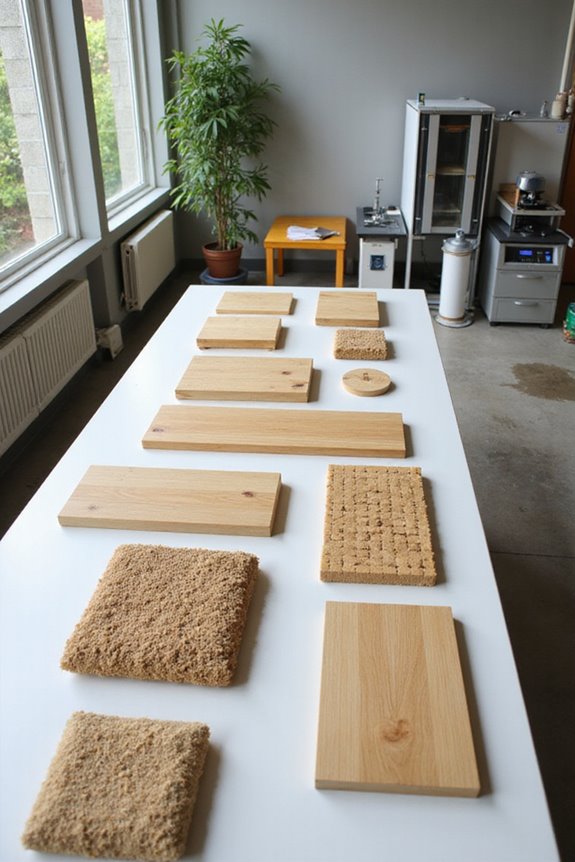
The integrity of bamboo products, from flooring to kitchen utensils, hinges on comprehensive product testing. Rigorous independent laboratory testing is not merely a formality; it’s a critical process that confirms whether items meet global safety and durability standards. This is particularly important for products that come into contact with food, children, or are subjected to significant wear and tear.
- Chemical Safety Testing: One of the most vital aspects is testing for harmful chemical residues, such as formaldehyde, phthalates, and heavy metals. These substances, sometimes used in adhesives or finishes, can pose significant health risks. Reputable manufacturers will provide clear documentation of compliance with international chemical safety regulations (e.g., REACH, CPSIA).
- Mechanical Properties Assessment: Evaluating the mechanical properties of bamboo ensures its ability to withstand daily use. This includes:
- Tensile Strength: The resistance to breaking under tension, crucial for structural components.
- Bending Capacity: How much a material can bend without breaking, important for furniture and flexible products.
- Hardness: Resistance to indentation, vital for flooring and cutting boards.
- Impact Resistance: The material’s ability to absorb energy and deform without fracturing.
- Moisture Content Tests: Bamboo is a natural material highly susceptible to moisture variations. Testing moisture content prevents common issues like warping, cracking, and the growth of mold or mildew. Manufacturers should specify ideal humidity levels for their products and outline appropriate storage and usage conditions to maintain material integrity over time.
- Fire Resistance Testing: For certain applications, such as construction materials, fire resistance testing according to relevant building codes is indispensable.
- Load Bearing and Stability Tests: For furniture and structural bamboo products, tests for load-bearing capacity and stability are crucial to ensure user safety.
By demanding comprehensive test reports and understanding their implications, you can confidently select manufacturers whose products are both safe and built to last, enhancing your brand’s reputation for quality.
How Can You Verify Sourcing and Traceability in Responsible Bamboo Practices?
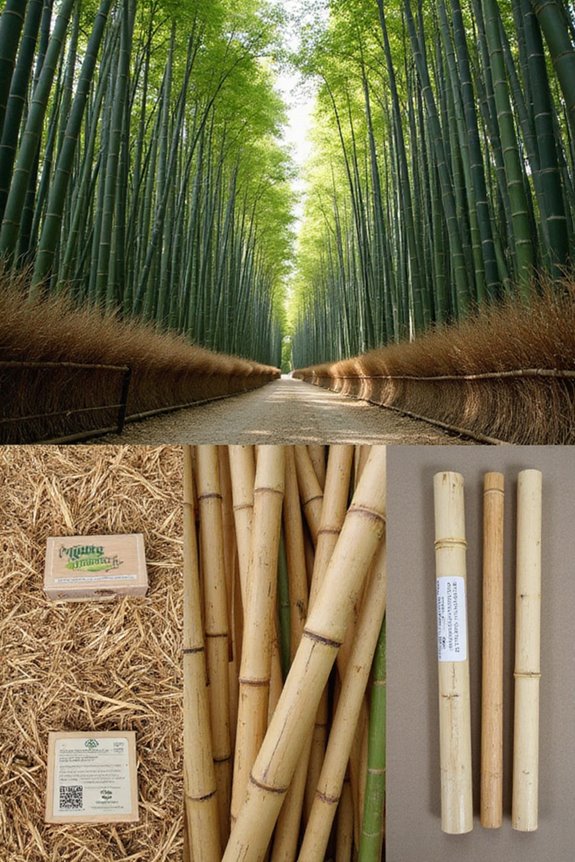
Ensuring ethical and sustainable practices throughout the bamboo supply chain requires meticulous sourcing and chain-of-custody traceability. For businesses in 2026, this means going beyond surface-level claims and demanding concrete evidence of responsible manufacturing.
- Supplier Verification Protocols: A robust verification process involves confirming that vendors adhere to global standards like FSC and, where relevant, GOTS. This often includes requiring explicit documentation of the Country of Origin for raw materials, ensuring that bamboo is harvested from legal and sustainable sources, not from protected natural forests.
- Implementing Digital Traceability Systems: Forward-thinking manufacturers increasingly utilize digital traceability systems. These systems allow brands to track bamboo from its harvest location—often specific bamboo groves or plantations—through each stage of processing, manufacturing, and distribution. Such transparency provides undeniable proof of sustainable origins and helps prevent counterfeiting or mislabeling.
- Engaging with Suppliers: Active engagement and partnership with suppliers are key. This means understanding their harvesting methods, labor practices, and environmental policies. By working closely, businesses can jointly promote eco-friendly materials and sustainable harvesting techniques that minimize environmental impact, such as selective harvesting that allows bamboo stands to regenerate naturally.
- Public Disclosure and Transparency: Encourage manufacturers to publicly disclose their sourcing practices and environmental reports. This commitment to transparency builds significant consumer trust and reinforces the integrity of the entire supply chain. Requesting access to their sustainability reports or environmental impact assessments can be a powerful verification step.
- Third-Party Audits: Beyond certifications, consider requiring independent third-party audits of the supplier’s sourcing and production facilities. These audits can provide an unbiased assessment of their adherence to ethical and environmental standards.
By implementing these verification steps, you can confidently communicate the sustainable credentials of your bamboo products to your customers, aligning with growing demand for eco-conscious consumption.
How Should You Effectively Evaluate Manufacturer Reputation and Experience?
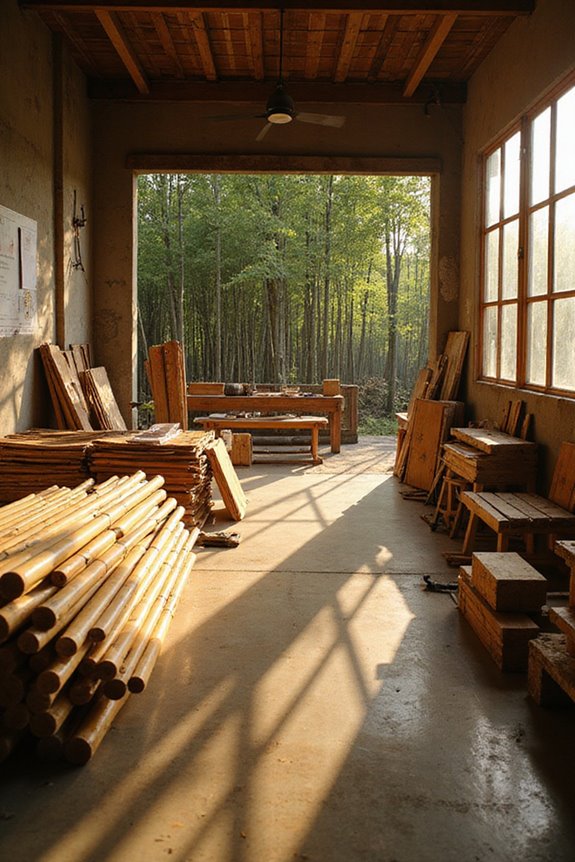
Securing dependable supply partners in the bamboo industry necessitates a thorough evaluation of their manufacturer reputation and industry tenure. An established factory with a proven track record is more likely to demonstrate operational stability, consistent quality controls, and a deep understanding of market demands.
- Industry Recognition and Awards: Look for manufacturers who have received industry awards, accolades, or are recognized by reputable trade associations. These indicators often point to a commitment to excellence and innovation within the bamboo sector.
- Certification Badges and Audit Reports: Beyond product-specific certifications, inquire about the manufacturer’s operational certifications (e.g., ISO for quality and environmental management) and factory audit reports. These documents provide objective evidence of their adherence to international standards.
- B2B Buyer Reviews and Testimonials: Scrutinize reviews and case studies from other business clients. Verified client testimonials offer insights into the manufacturer’s reliability, communication effectiveness, and problem-solving capabilities. Ask for references and directly contact them to discuss their experiences.
- Years in Business and Specialization: A longer tenure in the bamboo manufacturing sector often correlates with greater experience, stability, and expertise. Investigate their specialization; do they focus on specific bamboo product categories (e.g., flooring, textiles, kitchenware)? Specialization can indicate deeper knowledge and higher quality within that niche.
- Transparency in Communication: Reputable manufacturers are transparent. They should be willing to discuss their raw material sourcing, production processes, quality control measures, and any challenges openly. Be wary of suppliers who are evasive or unwilling to share detailed information.
- Site Visits and Inspections: If possible, conducting an on-site factory visit provides invaluable firsthand insight into their production facilities, machinery, quality control procedures, and working conditions. This directly verifies their claims and commitment to ethical practices.
By meticulously assessing these criteria, you can identify manufacturers who are not only capable of producing high-quality bamboo products but also reliable and reputable long-term partners for your business in 2026.
How Do You Thoroughly Assess Sustainability and Environmental Impact in Bamboo Manufacturing?
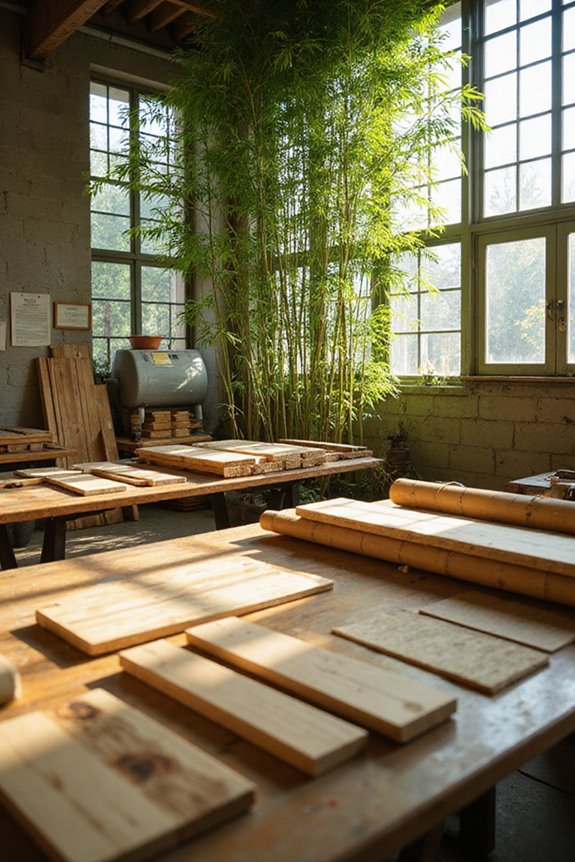
True sustainability in bamboo manufacturing extends far beyond the material’s natural renewability. A comprehensive assessment requires examining every stage, from cultivation to processing, to ensure minimal ecological footprint and maximum positive impact. For businesses in 2026, this means scrutinizing the manufacturer’s practices against verifiable environmental criteria.
- Sustainable Cultivation and Harvesting:
- Rapid Renewability: Confirm that the bamboo species used (typically Moso bamboo for industrial applications) is indeed fast-growing and reaches maturity quickly, making it one of the most renewable resources.
- Selective Harvesting: Investigate whether harvesting methods are selective, allowing bamboo stands to regenerate naturally without clear-cutting. This practice preserves topsoil, prevents erosion, and supports local biodiversity.
- Chemical-Free Growth: Verify that the bamboo is cultivated without the use of chemical fertilizers, pesticides, or excessive irrigation. Truly sustainable bamboo thrives with minimal intervention.
- Resource-Efficient Processing:
- Zero-Waste Principles: Look for manufacturers who embrace zero-waste principles, utilizing all parts of the bamboo plant. This can include using culms for products, leaves for animal feed, and biomass for bioenergy or organic mulch.
- Water and Energy Management: Inquire about their water usage and energy sources. Manufacturers committed to sustainability often employ water recycling systems and renewable energy (e.g., solar, biomass) in their operations.
- Eco-Friendly Processing Techniques:
- Non-Toxic Adhesives and Finishes: Crucially, assess the chemicals used in processing. Demand proof that manufacturers prioritize non-toxic, low-VOC (Volatile Organic Compound) adhesives and finishes, especially for indoor products. The use of harmful chemicals negates bamboo’s natural eco-credentials.
- Closed-Loop Systems: For bamboo textiles (rayon from bamboo), inquire if they use closed-loop manufacturing processes where chemicals are recycled and reused, significantly reducing environmental discharge.
- Certifications as Proof: Again, certifications like FSC and ISO 14001 serve as robust third-party verification of sustainable practices. Additionally, look for local or national eco-labels relevant to the manufacturer’s region.
- Carbon Footprint Measurement: Engage with manufacturers who are actively measuring and working to reduce their carbon footprint (e.g., through ISO 14067 or other recognized protocols). This demonstrates a forward-thinking approach to environmental stewardship.
By asking these pointed questions and seeking verifiable evidence, you can partner with manufacturers whose environmental commitments are as strong as their product quality, offering truly sustainable bamboo solutions to your market.
What Industry Standards and Regulations Must Quality Bamboo Manufacturers Comply With?
For any business sourcing bamboo products, ensuring that manufacturers adhere to relevant international trade regulations and industry standards is critical. This not only guarantees product safety and quality but also secures legal export standing and protects your brand from compliance risks. Reputable manufacturers integrate these comprehensive frameworks into their operations to safeguard both product integrity and workplace ethics. Here are the core standards to thoroughly verify:
- ISO 9001 (Quality Management Systems): This foundational standard dictates a manufacturer’s ability to consistently provide products and services that meet customer and statutory requirements. Compliance signals a commitment to quality control throughout production.
- ISO 14001 (Environmental Management Systems): Demonstrates a manufacturer’s commitment to environmental responsibility, including pollution prevention, waste reduction, and compliance with environmental laws.
- ISO 14067 (Carbon Footprint of Products): This standard provides principles, requirements, and guidelines for the quantification and reporting of the carbon footprint of products (CFP). It’s increasingly important for sustainability reporting and demonstrates a proactive approach to climate change.
- ISO 22095 (Chain of Custody): Establishes guidelines for chain of custody of forest-based products, including bamboo, ensuring that materials from certified, sustainable sources are tracked throughout the supply chain.
- EN (European Norm) Standards: For products entering the European market, compliance with specific EN standards (e.g., EN 71 for toy safety, EN 14041 for floor coverings) is mandatory. These validate safety, structural strength, and performance for various product categories.
- ASTM (American Society for Testing and Materials) Standards: In North America, ASTM standards are crucial for validating material properties, testing methods, and performance specifications across a wide range of products, including bamboo composites and construction materials.
- REACH (Registration, Evaluation, Authorisation and Restriction of Chemicals): A European Union regulation addressing the production and use of chemical substances, and their potential impacts on both human health and the environment. Essential for any product containing chemical treatments or finishes.
- FSC (Forest Stewardship Council) Certification: While mentioned under sustainability, FSC is also a critical regulatory compliance point, especially for products marketed as sustainably sourced. It ensures adherence to international labor standards and sustainable forestry.
By demanding proof of compliance with these standards, you not only protect your business but also contribute to a more responsible and ethical global supply chain for bamboo products.
How to Effectively Assess Manufacturer Transparency and Accountability?
In today’s global marketplace, manufacturer transparency and accountability are critical indicators of a trustworthy supplier. Businesses in 2026 should prioritize partners who are forthcoming with information and demonstrate a clear commitment to ethical operations. This goes beyond mere certifications and delves into the operational culture of the manufacturer.
- Supply Chain Documentation: Transparent manufacturers readily provide comprehensive documentation of their entire supply chain. This includes details on raw material origins, processing facilities, and distribution channels. The ability to trace every component back to its source is a hallmark of accountability.
- Raw Material Origin Tracking: Beyond general documentation, look for systems that specifically track the origin of raw bamboo. This could involve batch numbers linked to specific plantations or harvest dates, providing a granular level of transparency that reassures buyers about sustainability claims.
- Independent Third-Party Inspection Reports: Requesting access to recent reports from independent third-party inspections or factory audits is a powerful way to verify claims. These reports offer an unbiased assessment of quality control, working conditions, and environmental compliance.
- Regular Factory Audits and Compliance Reporting: A commitment to ongoing operational accountability is demonstrated through scheduled, regular factory audits and detailed compliance reporting. Manufacturers who welcome such scrutiny are typically confident in their practices.
- Ethical Labor Standards: Assessing ethical labor standards is non-negotiable. Inquire about their policies and practices regarding:
- Fair Wages: Do they pay living wages that meet or exceed local standards?
- Safe Working Environments: Are health and safety protocols strictly adhered to, with regular safety training and proper equipment?
- Prohibition of Forced Labor and Child Labor: Demand explicit policies and verification against any form of forced or child labor, which is a fundamental ethical requirement.
- Working Hours and Conditions: Ensure working hours are reasonable and conditions are humane, respecting local labor laws and international conventions.
- Eco-Friendly Certifications and Corporate Responsibility: Sourcing partners who actively hold eco-friendly certifications and demonstrate strong corporate social responsibility initiatives are often more transparent and accountable across all their operations. This holistic approach signals a deeper commitment to ethical business practices.
- Open Communication and Responsiveness: The willingness of a manufacturer to engage in open dialogue, respond promptly to inquiries, and address concerns directly is a strong indicator of their transparency and accountability.
By integrating these assessment points into your due diligence, you can build partnerships with bamboo manufacturers who not only deliver quality products but also operate with integrity and responsibility.
How to Build Strong, Long-Term Relationships with Reliable Bamboo Suppliers?
Beyond the initial vetting process, the success of your bamboo product line in 2026 heavily relies on fostering robust, long-term partnerships with your chosen manufacturers. Building these relationships requires structured communication, mutual understanding, and a shared commitment to quality and efficiency.
- Structured Communication Protocols: Establish clear and consistent communication channels. This includes agreed-upon methods for updates, issue resolution, and feedback. Regular meetings (virtual or in-person) can help maintain alignment and address potential challenges proactively.
- Mutual Alignment on Quality Benchmarks: Develop comprehensive quality agreements that precisely define product specifications, quality control procedures, acceptable defect rates, and testing requirements. Both parties should clearly understand and commit to these benchmarks.
- Standardized Onboarding Checklists: Implement a detailed onboarding process for new suppliers. This checklist should cover everything from documentation exchange and compliance verification to understanding production schedules and logistical requirements.
- Pilot Order Evaluations: Before committing to large-scale production, conduct pilot orders. This allows you to evaluate the manufacturer’s capabilities, product quality, adherence to timelines, and responsiveness in a controlled environment. Use this phase for refinement and feedback.
- Regular Performance Reviews: Schedule periodic performance reviews with your suppliers. Discuss key performance indicators (KPIs) such as on-time delivery, product quality, communication effectiveness, and responsiveness to issues. These reviews foster continuous improvement and accountability.
- Utilizing Supplier Relationship Management (SRM) Tools: Leverage SRM software or dedicated systems to keep track of all interactions, specifications, shipment schedules, quality control logs, and audit reports. Centralizing this data facilitates efficient management and strengthens the partnership.
- Joint Problem Solving and Innovation: View your manufacturers as partners in problem-solving. When issues arise, work collaboratively to find solutions. Encourage them to share insights on process improvements or innovative material applications. This collaborative spirit drives mutual growth and strengthens loyalty.
- Fair Contracts and Payment Terms: Establish fair and transparent contracts that protect both parties. Ensure payment terms are reasonable and adhere to agreed-upon schedules, building trust and demonstrating respect for their business.
By investing in these relationship-building strategies, you transform transactional dealings into strategic alliances, ensuring a steady supply of high-quality bamboo products and a resilient supply chain for your business.
Frequently Asked Questions About Sourcing Bamboo Manufacturers
What Are the Typical Lead Times for Bamboo Product Orders?
Lead times for bamboo product orders typically range from 3 to 8 weeks, but can extend to 12 weeks or more for highly customized items or during peak seasons. Timelines primarily depend on raw material harvesting cycles, specific custom fabrication requirements, current factory production capacity, and the overall shipment volume in 2026. Always confirm lead times during the quotation and order placement stages.
How Can I Assess the Customer Service of a Bamboo Manufacturer?
To evaluate a manufacturer’s customer service, test their inquiry response times and assess the clarity and helpfulness of their communication. Request sample turnarounds to gauge efficiency. Crucially, ask for references from their current B2B clients and follow up with those references to gain insights into their real-world experience with the manufacturer’s support, responsiveness, and problem-solving abilities.
What Are the Common Shipping Options Available for Bamboo Products?
Common shipping methods for bamboo products include sea freight for large, bulk orders (most cost-effective for heavy/voluminous goods), air freight for urgent sample deliveries or smaller, time-sensitive shipments (faster but more expensive), and containerized transport for standardized shipping. It is essential to ensure that moisture-barrier packaging is utilized to protect bamboo goods from humidity and potential damage during long transits.
Are There Minimum Order Quantities (MOQs) When Purchasing Bamboo Items?
Yes, most bamboo manufacturers have Minimum Order Quantities (MOQs), which depend significantly on the specific product category, the complexity of customization, and the factory’s production capabilities. For new buyers or those seeking to test a market, negotiating sample runs or initial trial orders often allows for lower MOQs. Always discuss MOQs early in your communication with potential suppliers.
How Can I Ensure Ongoing Support After Purchasing Bamboo Products?
To secure long-term support, it’s vital to establish formal agreements upfront. This includes written quality guarantee agreements, clear warranty terms for products, and ideally, a designated account representative who will serve as your primary point of contact. Defining these terms before finalizing production orders ensures that you have avenues for assistance, replacements, or technical support should any issues arise post-purchase.
How Do I Handle Quality Disputes with a Bamboo Manufacturer?
Address quality disputes by first reviewing your quality agreement and specifications. Document all issues with photos and detailed descriptions. Initiate formal communication with the manufacturer, referencing agreed-upon standards. Propose corrective actions such as replacements, rework, or credit. If direct resolution fails, consider mediation or arbitration as per your contract terms.
What Are the Payment Terms Commonly Used by Bamboo Manufacturers?
Common payment terms include an upfront deposit (e.g., 30-50%) upon order confirmation, with the balance due upon completion, before shipment, or upon receipt of goods. Letters of Credit (LC) are often used for larger international orders to provide security for both buyer and seller. Always negotiate clear payment schedules to avoid misunderstandings.