As an Amazon Associate, we earn from qualifying purchases. Some links on this site are affiliate links at no extra cost to you. Our recommendations are based on thorough research and editorial judgment.

How to Effectively Maintain Plant Care Equipment: A Comprehensive 2026 Guide

Maintaining your plant care equipment is just as crucial as tending to your plants themselves. In 2026, ensuring your tools are clean, sharp, and rust-free not only extends their lifespan but also significantly impacts the health and vitality of your garden. Dull, dirty, or rusty tools can spread diseases, make tasks harder, and even harm your plants. This comprehensive guide will walk you through essential maintenance practices—from routine cleaning and disinfection to sharpening and proper storage—helping you keep your gardening arsenal in prime condition for years to come.
What Are the Key Steps for Maintaining Your Plant Care Equipment?
- Clean Thoroughly After Every Use: Promptly remove all soil, sap, and debris with soapy water and a stiff brush, followed by thorough rinsing and immediate drying to prevent rust and caked-on residue.
- Disinfect Regularly to Prevent Disease: Disinfect blades and surfaces between different plants (and certainly after dealing with diseased plants) using a 70-100% ethanol or isopropyl alcohol solution, or a bleach solution, to prevent the transmission of pathogens.
- Sharpen Blades for Optimal Performance: Regularly sharpen pruning shears, loppers, and shovels to a 20-30 degree angle using a sharpening stone or file, ensuring clean cuts that promote plant healing and reduce effort.
- Protect from Rust and Corrosion: Apply protective oil coatings (like mineral oil or camellia oil) or beeswax to metal surfaces, and always store tools in a cool, dry, and well-ventilated environment away from moisture.
- Store Properly for Longevity: Organize tools in a designated area, such as a tool shed, garage, or dedicated cabinet, using hooks, racks, or toolboxes to keep them dry, protected, and easily accessible.
- Inspect and Lubricate Moving Parts: Periodically check hinges, springs, and pivot points on tools like pruners for smooth operation. Apply a light lubricant to ensure they move freely and prevent seizing.
How to Effectively Clean and Remove Dirt from Your Gardening Tools?
You may be interested



The first and most fundamental step in maintaining plant care equipment is routine cleaning. Neglecting this can lead to soil buildup, rust, and the spread of plant diseases. Here’s a detailed approach:
- Initial Rinse: Immediately after each use, hose down your tools to remove loose soil and debris. For stubborn clumps, use a stiff brush or a putty knife to scrape them off.
- Soapy Water Scrub: Prepare a bucket of warm, soapy water (dish soap works well). Submerge smaller tools or scrub larger ones with a stiff-bristled brush. Pay close attention to crevices, hinges, and blade edges where dirt tends to accumulate. For sap or sticky residues, a solvent like mineral spirits or Goo Gone can be effective, followed by a soap-and-water wash.
- Thorough Rinsing: Rinse all tools thoroughly under running water to remove all soap residue. Any leftover soap can attract dust and grime or even harm plants.
- Immediate Drying: This is critical. Using a clean rag, thoroughly dry every part of your tool, especially metal components. Air drying is not sufficient, as it can lead to rust. Ensure no moisture remains in hinges or joints.
- Cleaning Non-Metal Parts: Don’t forget handles made of wood or plastic. Clean wooden handles with a damp cloth and allow them to air dry. For plastic handles, soap and water are usually sufficient.
Why Is Disinfecting Tools Essential to Prevent Plant Disease?
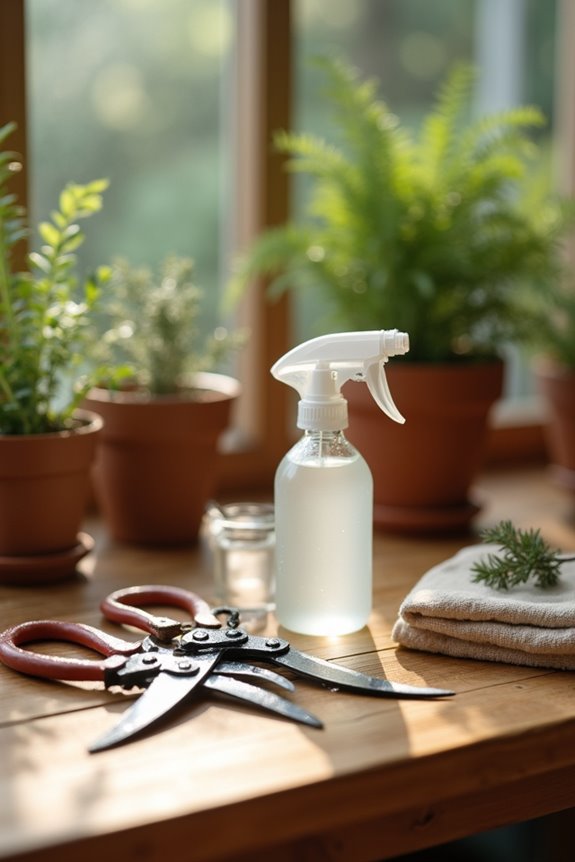
Plant diseases, caused by fungi, bacteria, and viruses, can easily spread from one plant to another through contaminated tools. Disinfecting your equipment is a proactive measure that saves your plants from potential harm. Here’s how and why:
- Preventing Pathogen Transmission: Microscopic pathogens can cling to tool surfaces. When you prune a diseased branch and then use the same tool on a healthy plant, you risk infecting it. Disinfection eliminates these pathogens.
- When to Disinfect:
- Between pruning different plants.
- After working on a known diseased plant.
- Before storing tools for an extended period.
- Before starting a new gardening season.
- Effective Disinfectants:
- 70-100% Ethanol or Isopropyl Alcohol: A common and highly effective option. Simply wipe down blades and surfaces with an alcohol-soaked cloth or dip the blades into the solution for 30 seconds.
- Bleach Solution: A 10% bleach solution (1 part bleach to 9 parts water) is effective. Soak tools for at least 5 minutes, then rinse thoroughly and dry immediately to prevent corrosion.
- Quaternary Ammonium Compounds: Commercial disinfectants found in garden supply stores are also effective and often less corrosive than bleach. Follow product instructions for dilution and contact time.
- Important Note: Always clean tools thoroughly *before* disinfecting. Organic matter can reduce the efficacy of disinfectants. Wear gloves and eye protection when handling bleach or strong disinfectants.
How to Sharpen Blades for Clean, Healthy Plant Cuts?

Sharp tools are safer and more efficient. They make clean cuts that heal quickly, reducing the plant’s susceptibility to pests and diseases. Dull blades can crush stems, leading to ragged wounds that struggle to recover. Here’s how to keep your blades razor-sharp:
- Gather Supplies: You’ll need a sharpening stone (fine and coarse grit), a file, whetstone oil (or water, depending on your stone type), a rag, and gloves.
- Clean the Blade: Before sharpening, thoroughly clean the blade to remove any dirt or sap.
- Identify the Bevel: Most pruning tools have a single bevel (an angled edge) on one side of the blade, while the other side is flat. Sharpen only the beveled edge.
- Sharpening Pruners and Shears:
- Secure the tool in a vise or hold it firmly.
- Apply a few drops of oil (or water) to your sharpening stone.
- Hold the stone at the same angle as the existing bevel (typically 20-30 degrees).
- Push the stone across the bevel in an arc, moving from the pivot to the tip, applying steady pressure. Repeat several times.
- Turn the blade over and gently rub the flat side with the fine side of the stone to remove any burrs (a small curl of metal).
- Sharpening Shovels and Hoes: Use a flat file or a coarse sharpening stone. Work along the cutting edge, maintaining the original angle. Be careful to file away from your body.
- Test the Edge: A properly sharpened blade should be able to cleanly cut a piece of paper or easily slice through a small twig.
How to Effectively Prevent Rust and Corrosion on Your Plant Care Tools?
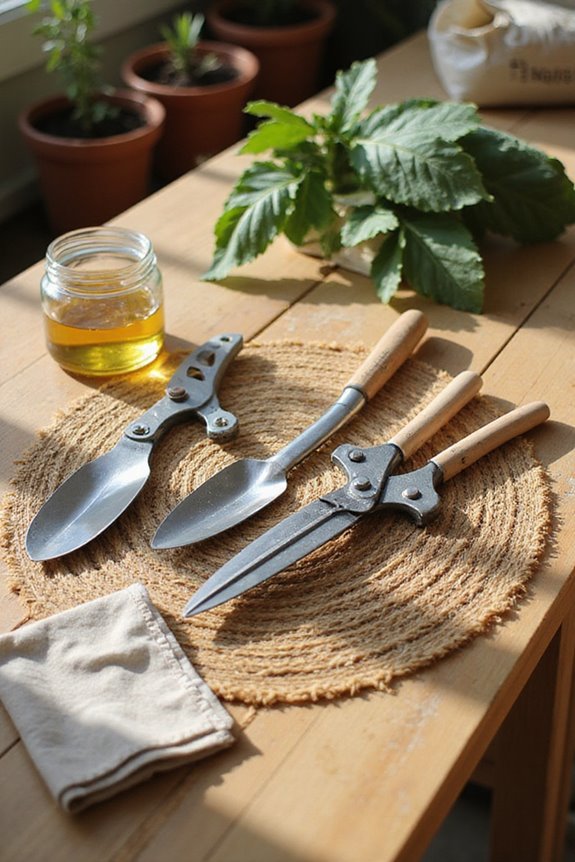
Rust and corrosion are the enemies of metal tools, degrading their performance and shortening their lifespan. Preventing them requires a multi-faceted approach, focusing on protection and environmental control:
- Immediate Drying: As mentioned, this is paramount. Even a thin film of moisture left on a tool can initiate rust formation. Always wipe tools completely dry after cleaning or use.
- Applying Protective Coatings: Once clean and dry, apply a thin layer of protective coating to all metal surfaces:
- Mineral Oil or Camellia Oil: These are excellent, non-toxic options that create a barrier against moisture. Wipe on with a clean cloth.
- Boiled Linseed Oil: Provides good protection and can also condition wooden handles.
- Beeswax: A natural, water-resistant barrier.
- Rust Inhibitor Sprays: Commercial sprays specifically designed for tools offer strong protection, especially for tools stored in humid environments.
- Lubricating Moving Parts: For tools with hinges, springs, or pivot points (like pruners, loppers), apply a drop of light machine oil or silicone spray after cleaning and before coating. This ensures smooth operation and further protects against rust in these vulnerable areas.
- Controlling Storage Environment:
- Low Humidity: Store tools in environments with low humidity. A dehumidifier in a shed or garage can be beneficial.
- Ventilation: Good air circulation prevents moisture buildup.
- Avoid Ground Contact: Never leave tools directly on damp ground or concrete, which can draw moisture.
- Desiccants: For highly valuable or infrequently used tools, consider placing desiccant packets (like silica gel) in their storage containers to absorb moisture.
Where and How to Store Your Plant Care Equipment for Extended Life?

Proper storage is the final piece of the puzzle for extending the life of your plant care equipment. A dedicated, organized storage system protects tools from damage, rust, and loss, making them readily accessible when needed:
- Choose the Right Location:
- Cool, Dry, and Ventilated: The ideal location is a tool shed, garage, or dedicated cabinet that is protected from the elements, has stable temperatures, and good airflow.
- Avoid Direct Sunlight and Extreme Temperatures: Fluctuations can damage wooden handles and plastic components.
- Away from Children and Pets: For safety, ensure sharp or heavy tools are stored out of reach.
- Organize for Accessibility and Protection:
- Hooks and Racks: Wall-mounted hooks and racks are excellent for hanging long-handled tools (shovels, rakes, hoes) and smaller items like hand trowels, keeping them off the floor and preventing moisture damage.
- Toolboxes and Bins: Smaller hand tools, gloves, and consumables can be stored in toolboxes, plastic bins, or dedicated drawers, protecting them from dust and impact.
- Pegboards: A versatile option for organizing a wide variety of tools, allowing for easy customization and visibility.
- Bucket with Sand and Oil: For certain tools like shovels or hoes, storing them in a bucket of sand mixed with a quart of motor oil can keep them clean, sharp, and rust-free, acting as a polishing and protective agent.
- Consider Tool Protectors: Use blade covers or sheaths for sharp tools like pruners and saws to protect both the blade and yourself.
- Seasonal Storage: At the end of the growing season, give all tools a thorough cleaning, sharpening, and oiling before putting them away for winter.
Advanced Maintenance Tips for Specialized Plant Care Equipment
While general cleaning and storage cover most tools, some specialized equipment benefits from more advanced care:
- Electric and Battery-Powered Tools: Always follow manufacturer guidelines. Keep batteries charged and stored in a cool, dry place. Clean vents and moving parts, and check electrical cords for damage.
- Sprayers and Irrigation Components: Flush sprayers with clean water after each use to prevent chemical buildup and nozzle clogging. Disassemble and clean nozzles periodically. Check irrigation lines for leaks and damage before each season.
- Engines (Lawnmowers, Tillers): Regular oil changes, spark plug checks, air filter cleaning, and fuel stabilization for off-season storage are crucial. Consult the owner’s manual for specific maintenance schedules.
- Replacing Worn Parts: Don’t wait for a tool to break completely. Periodically inspect tools for worn springs, loose screws, or damaged handles. Replacing these parts proactively can prevent further damage and extend tool life.
- Professional Servicing: For complex tools or when you’re unsure, consider professional servicing, especially for power tools or intricate pruning equipment.
Frequently Asked Questions About Plant Care Equipment Maintenance
How Often Should I Replace My Plant Care Equipment?
The lifespan of plant care equipment varies greatly. High-quality, well-maintained tools can last for decades, often requiring only replacement of individual parts (like springs or blades). Cheaper tools might need replacement sooner. Assess your tools regularly for significant wear, irreparable damage, or a decline in performance that maintenance can’t fix. Investing in good quality tools from the outset, combined with diligent maintenance, will significantly reduce the frequency of replacement.
What Materials Are Best for Indoor Plant Care Tools?
For indoor plant care tools, rust-resistant stainless steel blades are highly recommended due to their durability and ease of cleaning. Handles made from sustainable materials like durable bamboo or comfortable, ergonomic plastic are ideal. Small, precise tools with fine tips are also beneficial for delicate indoor plants. The key is choosing materials that are easy to sterilize, resistant to corrosion from frequent watering, and comfortable for detailed work.
Can I Use Dish Soap to Clean All My Gardening Tools?
Yes, mild dish soap and warm water are generally safe and effective for cleaning most gardening tools, especially for removing soil, sap, and light grime. It’s an excellent first step for routine cleaning. However, for disinfecting tools (to kill pathogens) or removing very stubborn, caked-on residues, you’ll need stronger solutions like alcohol, bleach, or a specialized solvent, always followed by thorough rinsing and drying.
How Do I Store Gardening Tools During the Winter Off-Season?
For winter storage, ensure all tools are thoroughly cleaned, sharpened (if applicable), and well-oiled to prevent rust. Store them in a dry, cool, and well-ventilated area, ideally hung on hooks or placed in toolboxes/racks. Remove batteries from power tools and store them indoors. For larger equipment with engines, follow manufacturer instructions for winterizing (e.g., fuel stabilizer, oil change) to ensure they are ready for the next spring.
Is It Necessary to Wear Gloves When Maintaining Tools?
Yes, wearing gloves is highly recommended when maintaining gardening tools. Gloves protect your hands from cuts and scrapes while sharpening, prevent skin contact with disinfectants and oils, and keep your hands clean. Additionally, sturdy gardening gloves can provide a better grip, enhancing safety during maintenance tasks.