As an Amazon Associate, we earn from qualifying purchases. Some links on this site are affiliate links at no extra cost to you. Our recommendations are based on thorough research and editorial judgment.

What Are Eco-Friendly Garden Pest Solutions?

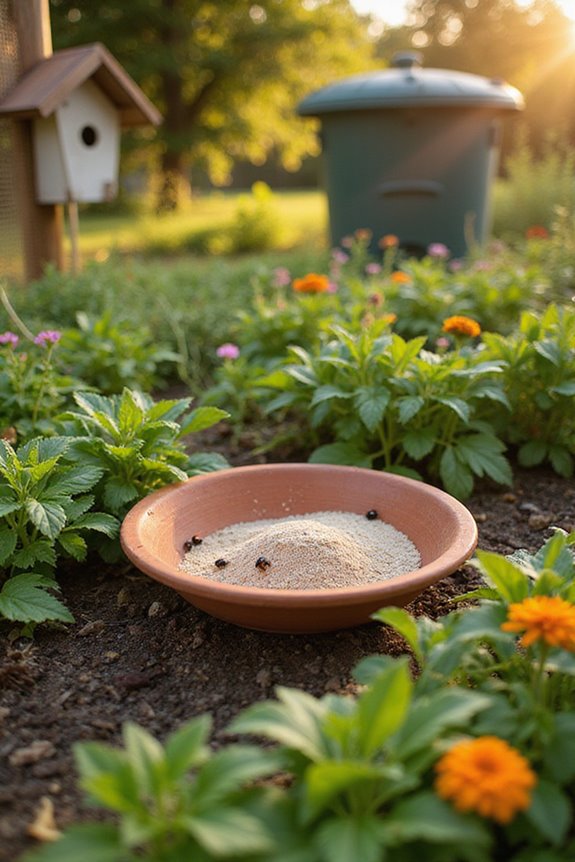
Eco-friendly garden pest solutions focus on natural methods to keep our gardens thriving. We can use biological controls like beneficial insects, such as lady beetles and green lacewing larvae, to manage pests like aphids. Cultural practices, including crop rotation and choosing pest-resistant plants, help prevent infestations. Additionally, physical methods, like row covers and hand-picking pests, offer safe alternatives. Combining these approaches in an Integrated Pest Management (IPM) strategy guarantees a balanced ecosystem. There’s more to explore on optimizing our gardening practices.
Key Takeaways
- Utilize natural predators like lady beetles and green lacewing larvae to manage aphid populations effectively and sustainably.
- Implement crop rotation and inter-cropping to disrupt pest life cycles and enhance biodiversity in your garden.
- Apply physical barriers such as row covers and netting to prevent pests from accessing plants.
- Use eco-friendly chemical solutions like neem oil and insecticidal soaps to deter pests without harming the environment.
- Adopt an Integrated Pest Management (IPM) approach that combines various methods for balanced and effective pest control.
Natural Biological Pest Controls
You may be interested

Natural biological pest controls offer us effective ways to manage garden pests without relying on chemicals. These methods promote pest diversity by utilizing natural enemies like predators, parasitoids, and pathogens. For instance, green lacewing larvae and lady beetles are excellent predators of aphids and other pests, helping to keep their populations in check.
We can enhance our gardens by conserving habitats for these beneficial organisms and augmenting their presence when needed. By avoiding harmful pesticides, we protect these allies, ensuring they thrive. Biological controls work well with sustainable gardening practices, offering an eco-friendly approach to pest management. Together, we can create a balanced ecosystem that supports both our plants and the diverse life that helps them flourish.
Recommended Products

READY-TO-USE CONTACT SPRAY: No mixing required. Thoroughly spray insecticide on all plant parts, including the underside of leaves. Pests must be sprayed directly to achieve control
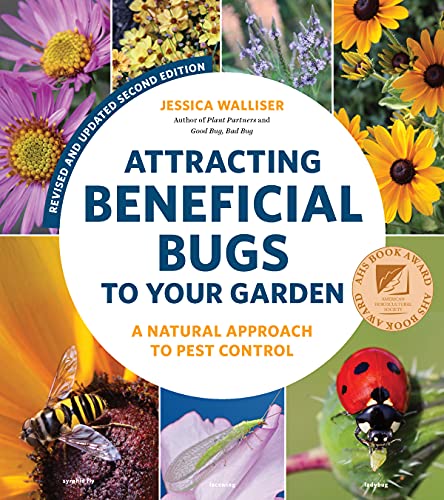

Includes a Ladybug educational sheet with Release Tips, Release Rates, Ladybug Fun Facts and FAQ's
Cultural Practices for Pest Prevention

Cultural practices play an essential role in preventing pests from becoming a problem in our gardens. One effective strategy is crop rotation. By alternating plant families, we disrupt pest life cycles and reduce soilborne diseases. Additionally, inter-cropping increases crop diversity, making it challenging for pests to locate their preferred hosts.
We should also focus on soil health. Maintaining healthy soil through proper tillage and organic matter enhances plant growth. Choosing pest-resistant varieties adapted to our local climate can lower the risk of pest infestations. Finally, strategic planting dates can help us avoid peak pest activity, further protecting our plants. Together, these practices create a robust garden ecosystem, minimizing pest problems while promoting sustainability. Implementing integrated pest management techniques can further enhance the health of your garden.
Physical and Mechanical Controls
When we think about managing pests in our gardens, physical and mechanical controls offer effective solutions without relying on chemicals. One popular method is hand-picking techniques. We can easily collect large pests like the Colorado potato beetle or tomato hornworm by hand. Additionally, shaking plants can dislodge pests onto a collection sheet.
Using barriers is another great strategy. Physical barriers, such as row covers and netting, enhance barrier effectiveness by keeping pests away from our plants. Regularly inspecting these barriers guarantees they remain effective.
We can also use water sprays to dislodge soft-bodied pests, disrupting their breeding. By combining these methods, we create a balanced approach to pest management that works in harmony with nature. Implementing Integrated Pest Management (IPM) strategies can further enhance our pest control efforts by promoting ecological balance.
Recommended Products
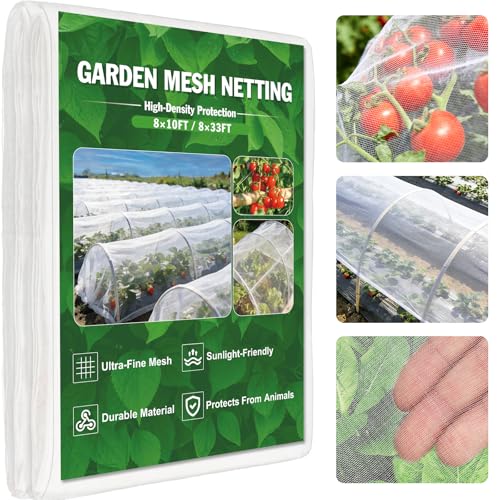
【Upgraded Fine Mesh Netting】This fine mesh garden netting uses 0.7*0.8mm high-density garden insect netting to block, birds, and small animals, offering reliable plant protection netting for vegetables and flowers
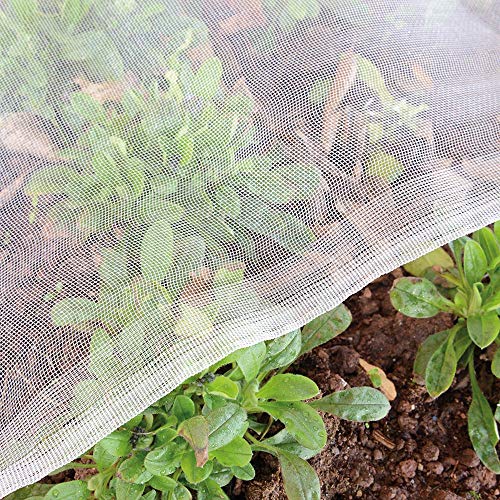
🥬Effective Bug Barrier: Protecting plants and vegetables from a wide range of pest insects and animals, such as cicadas, carrot fly and many species of aphids, you will get a healthier and happier garden

Defend Against Unwanted Visitors: Gardening is a rewarding and fulfilling endeavor, and you'll watch your plants grow from nothing to maturity before you finally harvest them. Once the plants begin to flower and bear fruit, these unwelcome visitors visit your garden and often leave a trail of destruction. Garden netting is the best choice for protecting your plants
Eco-Friendly Chemical Solutions
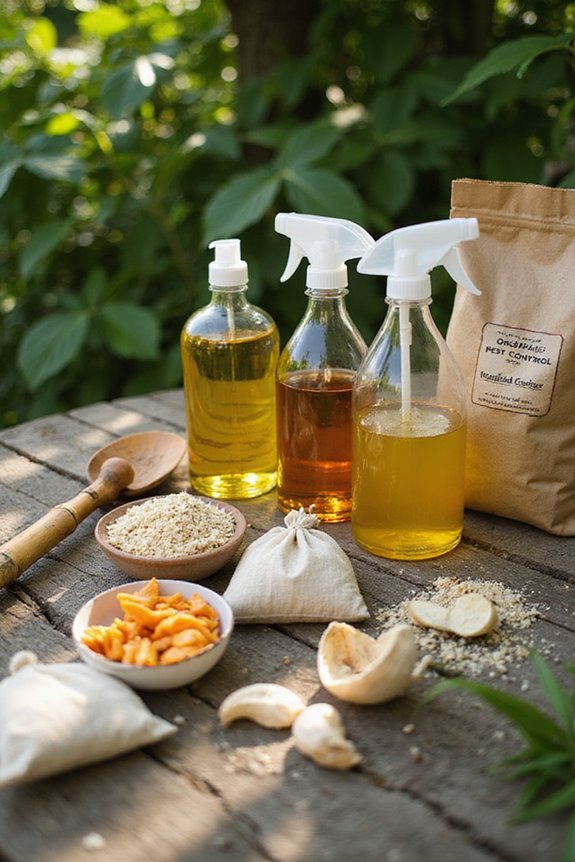
While physical and mechanical controls help us manage garden pests effectively, eco-friendly chemical solutions also play a significant role. Here are some natural insecticides and organic alternatives we can use:
- Neem Oil: Disrupts insect hormones; mix 1-2 tablespoons per gallon of water.
- Pyrethrin: Extracted from chrysanthemums; causes paralysis in pests.
- Spinosad: Targets caterpillars and beetles with a natural bacterial derivative.
- Bacillus thuringiensis (Bt): Specifically affects moth larvae, breaking down their gut lining.
- Insecticidal Soaps: Homemade sprays with soap and water deter pests safely.
These solutions minimize harm to beneficial insects and are safe for our gardens. By choosing these eco-friendly options, we support a healthier environment for everyone.
Recommended Products
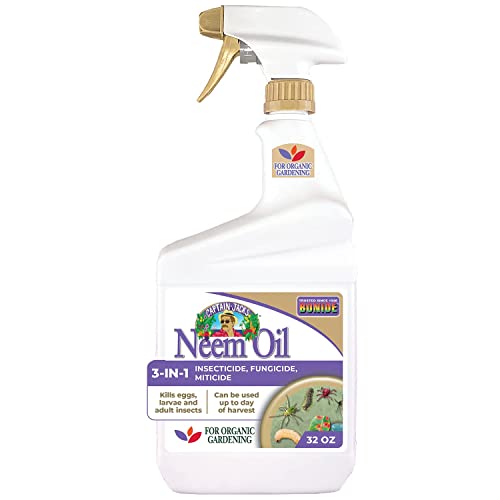
MULTI-PURPOSE BUG KILLER - Bonide Neem Oil is a perfect pest control solution for any garden dealing with mites, flies, mildew, and more. This product is a three-in-one fungicide, miticide, and insecticide.

PEST DEFENSE - Insecticidal Super Soap controls species of adelgid, ant, aphid, borer, caterpillar, spider mite, cricket, chinch bug, weevil, fly, thrip, & more.

Protect your oasis with Captain Jack's Bt Thuricide Ready-to-Use Spray; this product controls cabbage looper, hornworms, tent caterpillars and more
Promoting Beneficial Insects and Natural Predators
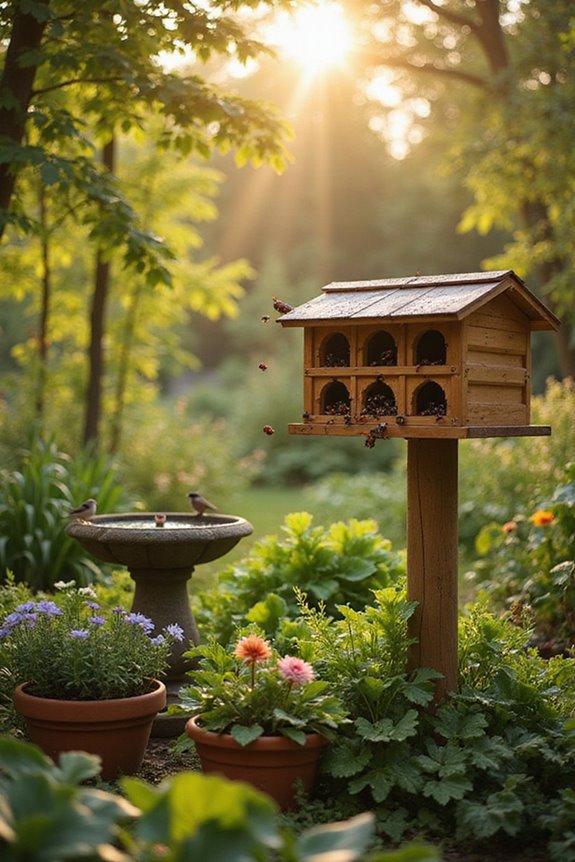
To effectively manage pests in our gardens, promoting beneficial insects and natural predators is essential. These insects, including lady beetles and lacewing larvae, play a crucial role in pest ecology by preying on harmful pests like aphids and caterpillars. By planting diverse flowering plants that bloom at different times, we can attract these beneficial insects to our gardens.
Here are some ways to support them:
- Create Habitats: Use ground cover or mulch for shelter.
- Avoid Chemicals: Steer clear of broad-spectrum pesticides.
- Introduce Insects: Consider purchasing beneficial insects for targeted areas.
Recommended Products

Can be used indoors and outdoors
Check the "Guide" under images to determine which nematodes you need
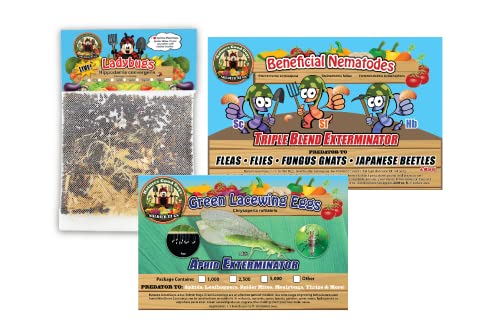
Natures Good Guys, Live Ladybug Garden Pack
Integrated Pest Management (IPM) Approach
Integrated Pest Management (IPM) is an all-encompassing strategy that helps us manage garden pests effectively and sustainably. By using pest identification techniques, we can accurately distinguish harmful insects from beneficial ones. This is essential for our success in maintaining a healthy garden.
Through threshold monitoring strategies, we determine when pest populations reach levels that require action. This helps us avoid unnecessary pesticide use, protecting our environment.
IPM combines various control methods, such as biological, mechanical, and cultural practices. For example, we might rotate crops or remove debris to reduce pest habitats. By following these principles, we create a balanced ecosystem, making our gardening efforts both effective and eco-friendly. Let’s work together to implement IPM in our gardens for a sustainable future.
Recommended Products
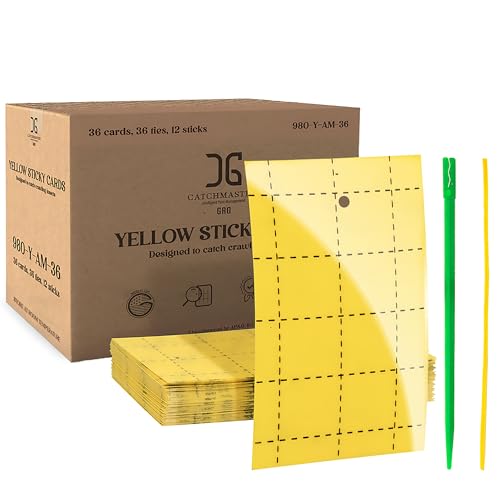
READY TO USE: Catchmaster Regular Double Sided Sticky Traps help protect live plants from Fungus Gnats, White Flies, Fruit flies, Fungus Gnats, Aphids, Thrips, Leaf Miners, Sciarid Flies, Lepidoptera, and other crawling insects. Sticky Cards are designed for up to one year of use, depending on the environment they are placed

CONTAINS ATTRACTANT: Attracts and traps moths and other pests.
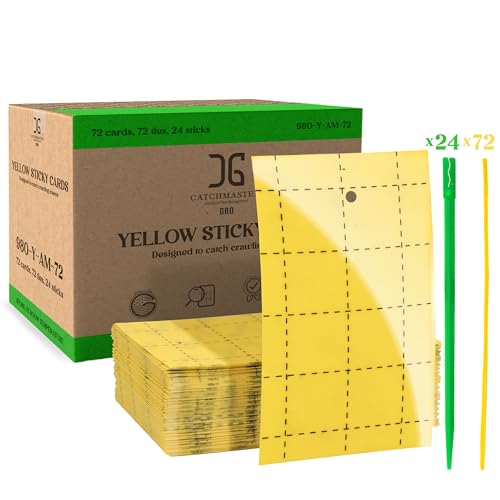
READY TO USE: Catchmaster Regular Double Sided Sticky Traps help protect live plants from Fungus Gnats, White Flies, Fruit flies, Fungus Gnats, Aphids, Thrips, Leaf Miners, Sciarid Flies, Lepidoptera, and other crawling insects. Sticky Cards are designed for up to one year of use, depending on the environment they are placed
Sustainable Practices for Long-Term Pest Management
Sustainable practices play an essential role in long-term pest management, complementing the Integrated Pest Management (IPM) approach we’ve discussed. By focusing on crop diversity, we can enhance ecosystem balance and naturally keep pest populations in check. For instance, rotating crops disrupts pest life cycles, reducing their buildup in the soil.
Improving soil health is another key strategy. Adding organic amendments boosts plant vigor, making them more resilient to pests. Regular weeding and pruning also limit pest habitats and disease spread.
Finally, we should monitor our gardens consistently. Early identification of pest issues allows us to take action before damage occurs. By implementing these practices, we can cultivate a healthier garden while minimizing our reliance on chemicals.
Frequently Asked Questions
How Do I Know if My Pest Control Is Effective?
We’ve all felt that sinking feeling when pests invade. To gauge our pest control’s effectiveness, we should track pest behavior and look for treatment indicators, like fewer infestations and healthier plants. Let’s celebrate our garden’s success together!
Are Eco-Friendly Solutions More Expensive Than Traditional Pesticides?
When we consider the cost comparison, eco-friendly solutions might seem pricier upfront. However, with budget considerations, their long-term benefits often outweigh traditional pesticides, making them a smarter choice for our health and environment.
Can I Mix Different Natural Pest Controls Together?
In our garden symphony, blending natural remedies can harmonize pest compatibility, but we must tread carefully. Let’s test small mixtures first, ensuring our plants thrive while safeguarding the beneficial allies that nurture our shared ecosystem.
How Often Should I Apply Eco-Friendly Pest Solutions?
We recommend applying eco-friendly pest solutions every three months for ideal results, adjusting treatment intervals based on pest activity and local conditions. Together, we can maintain a healthy garden while protecting our environment.
What Should I Do if Pests Return After Treatment?
When pests return, we should assess our pest recurrence strategies. By applying integrated pest management techniques, we can enhance our approach, ensuring we tackle the issue effectively while maintaining a healthy garden ecosystem together.