As an Amazon Associate, we earn from qualifying purchases. Some links on this site are affiliate links at no extra cost to you. Our recommendations are based on thorough research and editorial judgment.


What Are The Benefits Of Sustainable Gardening in 2026?

Direct answer: The benefits of sustainable gardening in 2026 include healthier soil, lower water and chemical use, more biodiversity, reduced household food miles for edibles, long-term cost savings, and landscapes that stay resilient under heat and drought stress. Sustainability is a system—soil, plants, water, and waste loops—not a single product purchase.
You may be interested

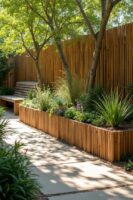
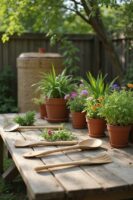
Home gardeners do not need acreage or perfection to capture these benefits. Mulching, smarter irrigation, composting, and right-plant/right-place choices create measurable improvements in one season and compounding gains over several years. This guide explains the benefits, the practices that drive them, and how to start without overhauling your entire yard at once.
Key Takeaways
- Sustainable gardening improves soil structure, water retention, and long-term fertility through compost and cover.
- Hydrozoning, mulch, and drip irrigation cut water waste without sacrificing plant health.
- Biodiversity (natives, layered plantings, habitat) supports pollinators and natural pest control.
- Prevention-first pest strategies reduce chemical cycles and protect beneficial insects.
- Edibles and herbs grown at home reduce packaging and trip frequency for some foods.
- Start small: mulch + stop overwatering + add compost is a high-ROI first week plan.
Core Benefits of Sustainable Gardening
- Soil carbon and structure: Compost and cover crops improve infiltration and reduce erosion.
- Water savings: Mulch, drip, and hydrozoning cut waste and runoff.
- Biodiversity: Native plants and habitat layers support pollinators and birds.
- Fewer chemicals: Prevention-first pest strategies protect beneficials and household exposure pathways.
- Household resilience: Herbs and vegetables reduce packaging and last-minute store runs.
- Heat resilience: Healthy soil and canopy cover buffer extreme weather swings common in 2026 seasons.
- Lower long-term costs: Fewer plant replacements, less wasted water, and fewer emergency spray purchases.
Soil Health Benefits You Can See and Feel
Sustainable gardens treat soil as a living ecosystem. When organic matter rises:
- Water soaks in instead of puddling or running off.
- Roots explore deeper, so plants tolerate short dry spells better.
- Nutrient cycling becomes steadier, reducing feast-or-famine fertilizing.
- Compaction eases over time with mulch and reduced tillage.
Practical soil moves for 2026: top-dress with compost, keep soil covered, avoid working wet clay, and plant cover crops in empty vegetable beds.
Water Conservation and Landscape Resilience
Water-wise design is one of the clearest sustainable wins:
- Group plants by water need (hydrozoning).
- Switch overhead spray to drip or micro-spray in beds where practical.
- Mulch 2–3 inches on beds (pull slightly back from stems).
- Water deeply and less often to encourage deep roots.
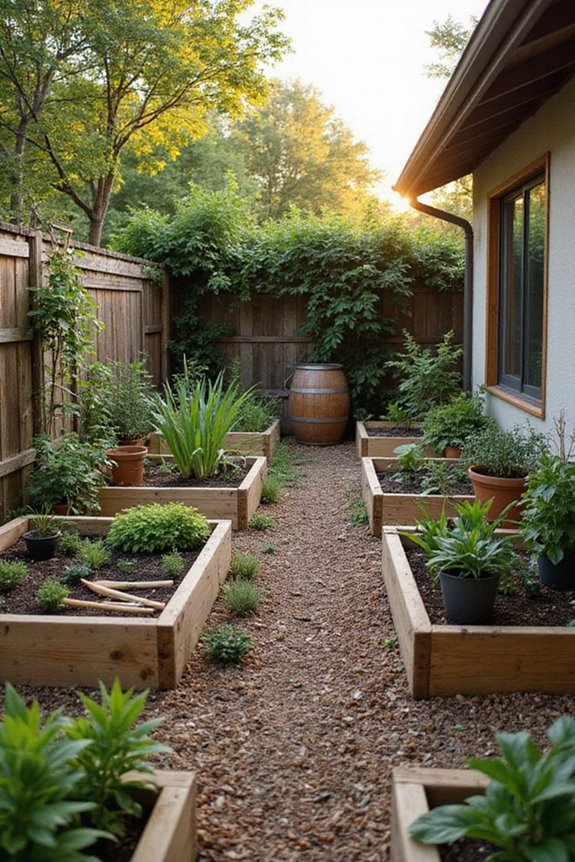
- Harvest rainfall in barrels where codes allow, and direct downspouts into thirsty zones—not concrete.
These steps reduce utility bills and keep plantings alive during watering restrictions.
Biodiversity and Pollinator Benefits
A sustainable garden is not a sterile green carpet. Layered plantings—trees/shrubs, perennials, groundcovers—create habitat. Benefits include:
- More pollination for fruiting crops and flowering ornamentals
- Natural enemies that help keep aphids and caterpillars in check
- Bird activity that adds pest pressure reduction and enjoyment
- Season-long bloom that supports bees beyond a single ornamental flush
You do not need natives only, but natives and well-adapted non-invasives should anchor the design. Avoid known invasive species for your region.
Fewer Chemicals, Healthier Beneficials
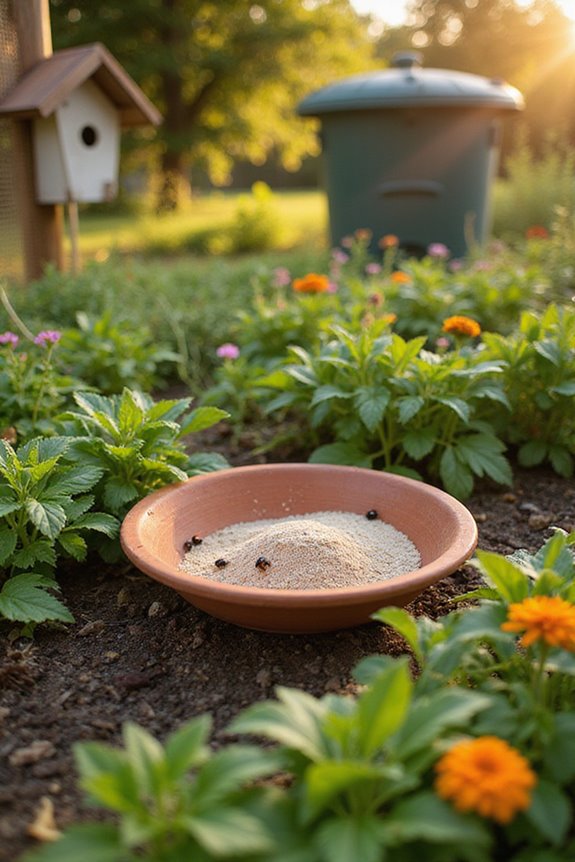
Sustainable gardening reduces reliance on routine synthetic sprays by changing the conditions that create outbreaks: stressed plants, monocultures, and bare soil. When you do intervene, least-toxic and targeted methods come first. For a tactical pest playbook, see eco-friendly garden pest solutions. For input shopping that matches this approach, use how to choose organic garden supplies.
High-Impact Practices and Their Payoff
| Practice | Primary Benefit | Time to Notice Results |
|---|---|---|
| Composting | Diverts waste + feeds soil | Weeks to one season |
| Right plant / right place | Less water and fewer replacements | Immediate stress reduction |
| Drip irrigation + mulch | Targets roots, cuts evaporation | First billing cycle / heat wave |
| Integrated pest management | Fewer spray cycles | One to two seasons of learning |
| Native / habitat plantings | Pollinators and predators | First bloom cycle onward |
| Cover crops in veg beds | Soil cover, organic matter | Over winter into spring |
Environmental Benefits at the Household Scale
One garden will not reverse climate change, but sustainable yards still matter locally:
- Trees and dense plantings cool microclimates around homes.
- Permeable beds and healthy soil reduce stormwater spikes.
- Composting organics cuts landfill methane potential from food/yard waste.
- Reduced mowing and gas equipment use lowers household emissions and noise.
Health, Food Quality, and Wellbeing Benefits
Edible sustainable gardens deliver benefits beyond ecology:
- Herbs harvested minutes before cooking taste better and reduce plastic clamshell waste.
- Even small tomato/pepper harvests offset some grocery cost at peak season.
- Gardening time supports outdoor movement and stress reduction—real quality-of-life value in 2026.
- Kids and beginners learn food systems by watching seeds become meals.
Sustainable Gardening vs Conventional Gardening
Conventional ornamental gardening often prioritizes instant uniformity: frequent fertilizer, scheduled spraying, thirsty lawns, and plants chosen for looks alone. Sustainable gardening in 2026 prioritizes function and longevity: soil first, plant diversity, water matched to climate, and pest prevention. Many gardeners blend methods, but the goals differ.
| Factor | Conventional focus | Sustainable focus |
|---|---|---|
| Soil | Feed the plant with bagged fertilizer | Feed the soil food web with organic matter |
| Water | Calendar watering, often overhead | Need-based watering, mulch, drip, zones |
| Pests | Routine sprays | Monitor, threshold, least-toxic IPM |
| Plant palette | Fashionable annuals and thirsty specimens | Natives, adapted perennials, edible mixes |
| Success metric | Instant curb appeal | Resilience, biodiversity, lower inputs |
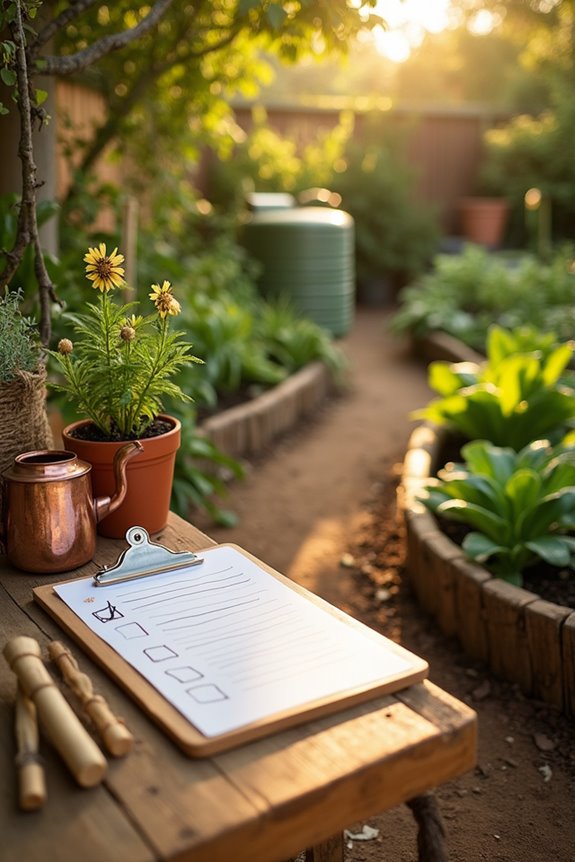
For a structured audit of what to change first, use a sustainable gardening practice checklist and our roundup of environmentally friendly gardening practices.
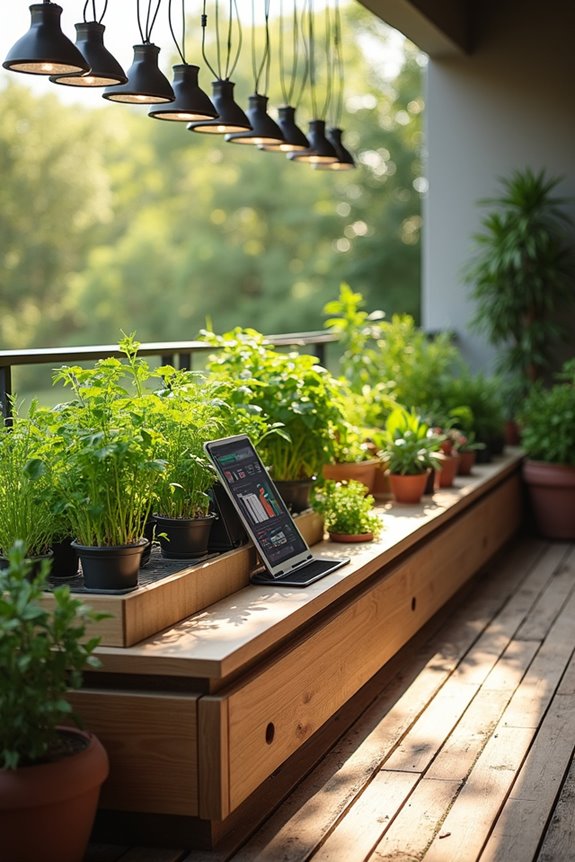
Long-Term Cost Savings: Is Sustainable Gardening More Expensive?
Upfront soil and irrigation upgrades can cost more than a single bag of bright-green fertilizer. Over seasons, however, many gardeners spend less on:
- Replacement plants killed by wrong-site stress
- Wasted water from misting sidewalks and shallow sprinkling
- Repeat pesticide purchases chasing the same outbreak
- Bagged soil mixes used as a crutch for poor bed prep
Budget tip: invest first in compost, mulch, and watering efficiency—then expand habitat plantings.
Benefits for Balconies, Patios, and Small Yards
Sustainable gardening scales down cleanly:
- Containers with efficient watering and quality media
- Compact herbs and salad greens for short food miles
- Pollinator pots with continuous bloom
- Community compost drop-offs if you lack yard space
- Shared tool libraries instead of buying rarely used equipment
How to Start: 30-Day Starter Plan for Visible Benefits
- Week 1: Mulch beds; fix leaks; water at soil level only.
- Week 2: Add compost top-dress; remove chronically wrong-site plants or relocate them.
- Week 3: Plant one pollinator strip or swap a high-water annual zone for adapted perennials.
- Week 4: Start a compost system or municipal organics routine; scout pests weekly instead of spraying on fear.
How to Measure Success Without Fancy Sensors
- Water meter / utility bill trend across comparable weather weeks
- Minutes spent hand-watering (should fall with mulch + drip)
- Number of plants replaced per year
- Pollinator visits on a 5-minute weekly count
- Soil feel test: darker, crumblier, better infiltration after rains
- Fewer emergency pest outbreaks midseason
Common Mistakes That Block the Benefits
- Buying “eco” products while continuing to overwater and over-fertilize
- Clearing every leaf and calling it tidy—removing habitat and mulch value
- Planting invasives marketed as fast privacy screens
- Expecting zero pest presence in a living garden
- Tilling constantly and destroying soil structure you just built
Neighborhood and Community Spillover
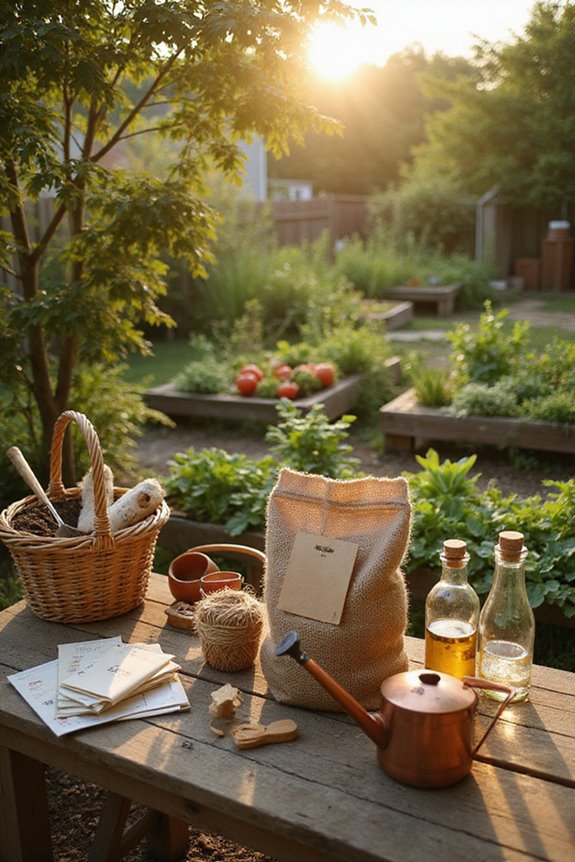
Sustainable front yards influence norms. When neighbors see thriving, water-wise plantings, adoption spreads. Shared seed swaps, tool shares, and compost education multiply impact beyond your fence line—especially valuable in 2026 as more households face heat and water constraints.
Frequently Asked Questions
Is sustainable gardening more expensive?
Some upgrades cost more upfront, but water, chemical, and plant-replacement savings often repay over seasons. Start with low-cost mulch and compost before expensive redesigns.
Do I have to go fully organic?
No. Begin with soil health and water efficiency; expand organic and habitat practices as you learn. Progress beats purity tests.
Can small balconies be sustainable?
Yes—containers, composting services or worm bins, efficient watering, and pollinator plants still count and still teach better habits.
What’s the first step?
Mulch beds and stop overwatering; then add compost. Those three moves unlock many later benefits.
Does sustainable mean native plants only?
Natives help biodiversity goals, but adapted non-invasives and edibles can fit a sustainable plan when placed and watered correctly.
How long until soil benefits show?
Mulch and watering changes can help within weeks. Deeper soil structure and biology gains build across one to three seasons of consistent practice.
Will a sustainable garden look messy?
Not if you design intentionally. Defined bed edges, intentional habitat zones, and seasonal cutback plans keep gardens attractive while still supporting wildlife.