As an Amazon Associate, we earn from qualifying purchases. Some links on this site are affiliate links at no extra cost to you. Our recommendations are based on thorough research and editorial judgment.
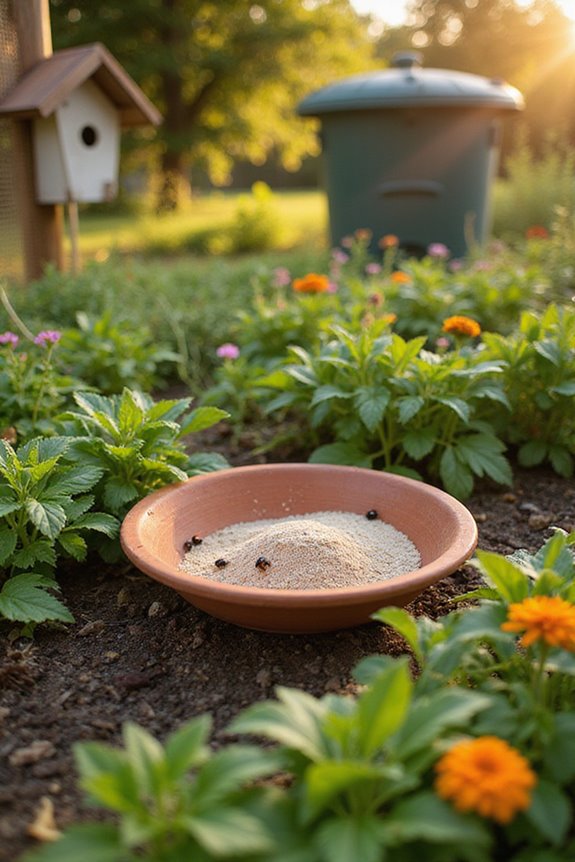
What Are Eco-Friendly Garden Pest Solutions in 2026?

Eco-friendly garden pest solutions in 2026 work best when you start with prevention—healthy soil, smart plant placement, and habitat for beneficial insects—then escalate to mechanical controls and least-toxic sprays only when damage crosses your threshold. This integrated pest management (IPM) approach protects pollinators and soil life while still saving tomatoes, greens, and ornamentals from aphids, caterpillars, mites, and slugs.
Key Takeaways for Eco-Friendly Pest Control in 2026
- Scout weekly. Check leaf undersides, new growth, and soil surface before pests explode.
- Climb the IPM ladder. Cultural → physical → biological → least-toxic sprays—never reverse the order unless an outbreak is severe.
- Protect beneficials. Habitat, flowering borders, and dusk-only spot sprays keep predators working for you.
- Match tool to pest. Bt for caterpillars, soap for soft-bodied insects, iron phosphate for slugs, oils for mites and scale.
- Companion planting helps, but does not replace barriers or monitoring.
- Seasonal timing matters. Spring prevention and summer vigilance prevent most fall crises.
What Are the Most Common Garden Pests—and How Do You Stop Them Naturally?
Most home-garden damage in 2026 comes from a short list of pests. Identify the pest first; treating “mystery holes” with a broad spray often kills helpers faster than pests.
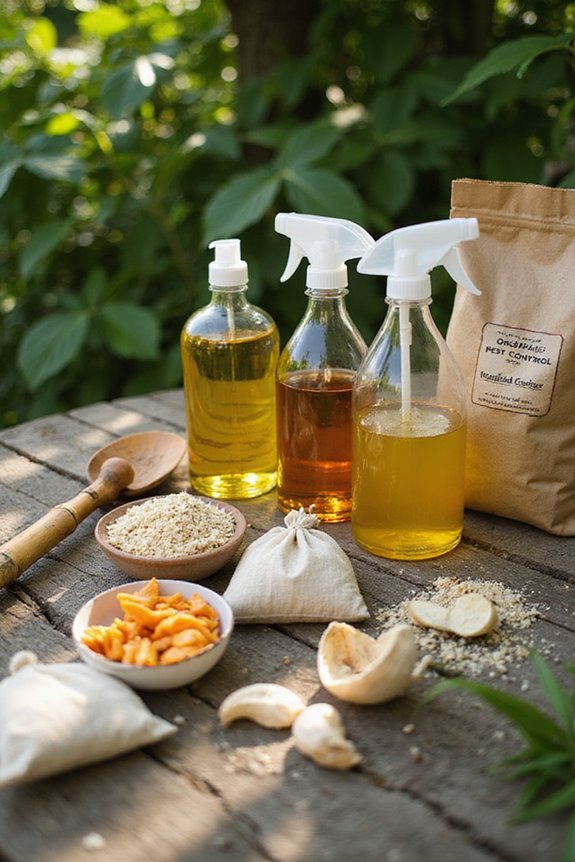
| Pest | Signs | Eco First Move | Next Step |
|---|---|---|---|
| Aphids | Curled leaves, sticky honeydew, ants farming colonies | Strong water blast + encourage lady beetles | Insecticidal soap on undersides |
| Caterpillars / hornworms | Chewed leaves, frass pellets, missing seedlings | Hand-pick at dusk/dawn | Bt kurstaki on labeled crops |
| Slugs & snails | Ragged holes, slime trails, night feeding | Night patrols + beer traps | Iron phosphate baits |
| Spider mites | Stippled leaves, fine webbing, dry heat stress | Rinse foliage; raise humidity | Horticultural oil or soap |
| Whiteflies | Cloud of tiny white insects when leaves shake | Yellow sticky traps + remove heavily hit leaves | Soap or oil spot sprays |
| Fungus gnats | Tiny flies around soil; weak seedlings | Dry top inch of soil | Sticky traps + beneficial nematodes |
| Squash bugs / cucumber beetles | Wilting vines, scarred fruit, eggs under leaves | Row covers until flowering; hand-crush eggs | Targeted soap early; rotate crops |
| Scale / mealybugs | Waxy bumps or cottony clusters on stems | Rub off with alcohol swab | Horticultural oil in cool weather |
How Do You Tell Pest Damage From Disease or Nutrient Stress?
Holes with frass usually mean insects. Uniform yellowing often means water or fertility issues. Powdery coatings and leaf spots point to disease, not chewing pests. Flip leaves before you spray—aphids, mites, and whitefly eggs hide underneath. If ants are racing up stems, look for honeydew-producing aphids or scale.
How Does Biological Pest Control Work in a Home Garden?
Biological control uses living allies—predators, parasites, and microbes—to keep pest populations below damaging levels. In 2026, the most reliable home-garden allies are still the ones you can attract for free with flowers, water, and a no-blanket-spray policy.
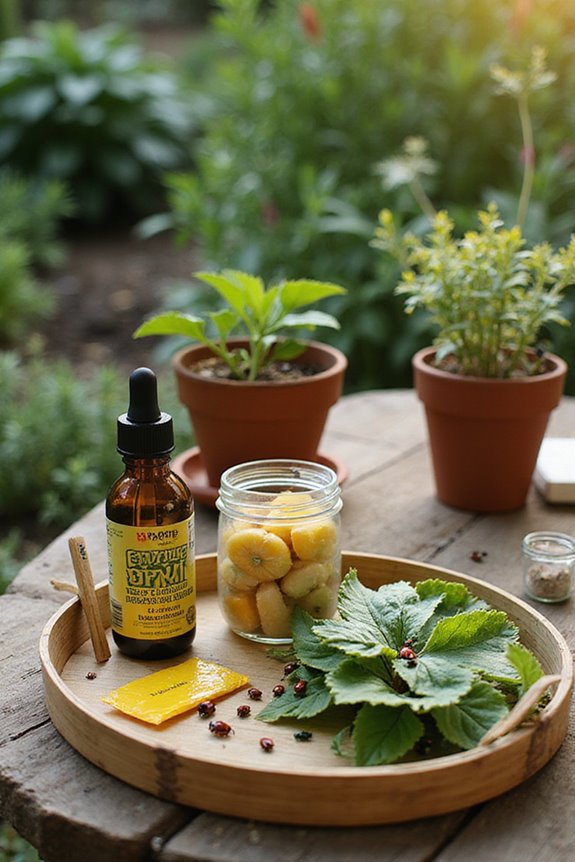
Which Beneficial Insects Should You Attract?
- Lady beetles: Aphid specialists; larvae eat far more than the adults you see on packaging.
- Green lacewings: Larvae (aphid lions) devour soft-bodied pests on vegetables and herbs.
- Parasitic wasps: Tiny, non-stinging wasps that lay eggs in caterpillars and aphids.
- Hoverflies: Adults need nectar; larvae eat aphids on brassicas and roses.
- Ground beetles: Night hunters of slugs, cutworms, and soil pests—leave some leaf litter edges.
- Predatory mites: Useful in greenhouses and hot, dry corners where spider mites thrive.
Should You Buy Ladybugs or Build Habitat Instead?
Purchased ladybugs often fly away within days if food and shelter are scarce. Build habitat first: umbels (dill, fennel, cilantro gone to flower), alyssum, yarrow, and continuous bloom from spring through fall. Add a shallow water dish with pebbles. Skip broad-spectrum sprays so resident populations can establish. Releases make sense mainly in enclosed greenhouses or when a verified local supplier ships cool, well-fed insects for a contained space.
When Should You Use Bt, Nematodes, or Microbial Products?
Bacillus thuringiensis (Bt kurstaki) targets young caterpillars that eat treated leaves; it is not a general insecticide. Apply in the evening, cover leaf undersides, and reapply after rain according to the label. Beneficial nematodes (Steinernema / Heterorhabditis) help with fungus gnat larvae, some grubs, and soil stages of pests when soil is moist and not freezing. Keep products cool before use and water them in—these are living organisms, not shelf-stable poisons.
You may be interested

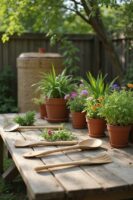
Pair biological tools with the rest of your garden system. Practices from our guides on environmentally friendly gardening and sustainable gardening practices strengthen plant vigor so pests have fewer weak hosts to exploit.
How Can Companion Planting Reduce Pest Pressure?
Companion planting diversifies scent, shape, and habitat so pests cannot cruise a monoculture. It will not stop every outbreak alone, but it reduces pressure and feeds beneficial insects—especially when you combine it with row covers and weekly scouting.
Which Companion Combos Actually Help?
- Tomatoes + basil / marigold: Aromatic confusion and more nectar for beneficials; still watch for hornworms.
- Brassicas + dill / alyssum: Attracts hoverflies and parasitic wasps that hunt cabbage aphids and caterpillars.
- Cucurbits + radish / nasturtium trap crops: May draw cucumber beetles or aphids away from main vines—remove trap plants when loaded.
- Carrots + onions / leeks: Mixed scent can reduce carrot fly visits in small beds.
- Roses + garlic / alliums nearby: Limited evidence for aphids, but alliums rarely hurt and free up space for beneficial flowers.
For pairing charts and layout ideas, see our roundup of companion planting guides. Pair flowering companions with a pollinator garden design so bees and beneficials share the same corridor without competing with vegetable rows.
What Companion Mistakes Waste Space?
Do not assume every “old wives’ tale” pairing is proven. Avoid crowding plants so tightly that airflow collapses—fungal disease then becomes the bigger problem. Do not plant aggressive mint in-ground next to vegetables; keep it potted. And never treat companion planting as a reason to skip sanitation, crop rotation, or physical barriers on squash and brassicas.
How Do You Use Neem Oil and Horticultural Oil Safely?
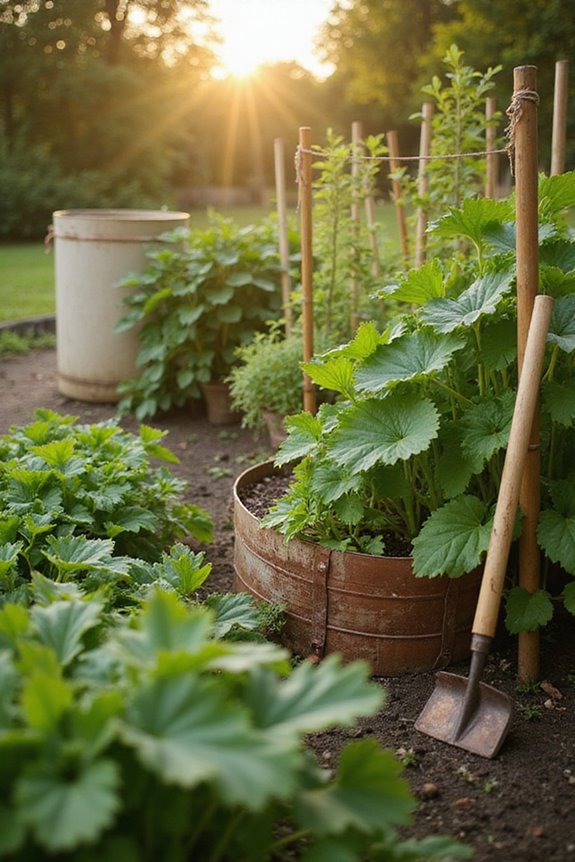
Neem (azadirachtin / clarified hydrophobic extract) and horticultural oils smother soft-bodied insects and disrupt feeding or growth. They are least-toxic relative to many synthetics, but they are still pesticides: overuse can harm beneficials and burn foliage in heat.
When Is Neem the Right Tool?
- Soft-bodied pests: aphids, whiteflies, some mites, immature scale.
- As a follow-up after water blasts and hand removal fail.
- On labeled ornamentals or edibles with attention to pre-harvest intervals.
Mix fresh according to the label. Coat leaf undersides thoroughly. Spray at dusk or dawn when bees are less active and temperatures are moderate. Avoid applying in extreme heat or full midday sun. Do not combine with sulfur products within the label’s forbidden window—phytotoxicity is common.
When Should You Choose Horticultural Oil Instead?
Dormant or summer-rate horticultural oils excel on scale, mites, and overwintering eggs on woody plants when temperatures stay within the label range (often roughly cool-to-mild, never freezing or blazing hot). Use lighter summer oils on tender foliage. Spot-treat; do not fog the entire garden “just in case.” For edible crops, insecticidal soap is often a gentler first spray for aphids before escalating to oil or neem.
What Are Spray Safety Rules You Should Never Skip?
- Spray at dusk to reduce pollinator exposure.
- Never apply oils in extreme heat or on drought-stressed plants.
- Read labels for edible pre-harvest intervals every time—formulations differ.
- Spot-treat hotspots; do not blanket-spray healthy plants.
- Test a few leaves, wait 24–48 hours, then treat the rest if no burn appears.
- Store concentrates away from children and pets; rinse equipment after use.
Which Traps and Barriers Work Without Harsh Chemicals?
Physical controls remove pests or block them before populations explode. They are the backbone of eco-friendly management between scouting and sprays.

What Traps Should You Actually Deploy?
- Yellow sticky traps: Monitor and reduce whiteflies, fungus gnats, and winged aphids—hang just above canopy; replace when coated.
- Beer or yeast traps for slugs: Shallow containers flush with soil; empty often; combine with iron phosphate for real control.
- Pheromone traps: Best for monitoring specific moths; hanging dozens in a tiny yard rarely eradicates larvae already on leaves.
- Board or cardboard refuges: Lift in the morning to collect slugs, sowbugs, and squash bugs hiding underneath.
How Do Row Covers, Collars, and Mulch Help?
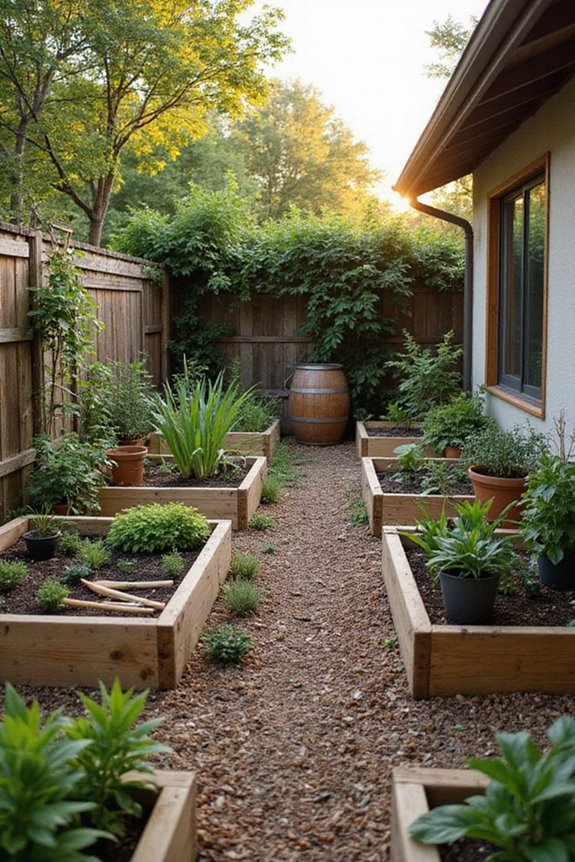
Lightweight floating row covers exclude cabbage moths, cucumber beetles, and squash vine borers if edges are buried and covers go on at planting. Remove or open covers when crops need pollination (cucurbits, fruiting plants). Cardboard or plastic collars around seedlings stop cutworms. Coarse mulch moderates soil moisture and can deter some splash-borne issues; keep mulch slightly off stems. Copper tape or diatomaceous earth may slow slugs in dry conditions but fail when wet—reapply thoughtfully and keep DE off blooms bees visit.
For small spaces, pair barriers with the right pots, soils, and tools from container gardening supplies and organic gardening supplies so stressed plants are not magnets for pests.
How Do You Prevent Pest Outbreaks Before They Start?
Prevention is the cheapest eco-friendly “pesticide.” Strong plants in living soil shrug off damage that would flatten stressed crops.
What Cultural Practices Cut Pest Pressure Fastest?
- Right plant, right place: Full-sun crops in shade invite mildew and weak growth pests love.
- Spacing and airflow: Follow seed-packet spacing; prune dense interiors on tomatoes and cukes.
- Water at the soil line: Wet foliage overnight invites disease; irregular watering stresses roots.
- Sanitation: Remove heavily infested leaves into the trash (not open compost) during outbreaks; clean up crop debris at season’s end.
- Crop rotation: Move nightshades, brassicas, and cucurbits through beds on a 3–4 year rhythm when space allows.
- Resistant varieties: Choose cultivars bred for pest or disease tolerance suited to your region.
- Healthy soil: Compost, mulch, and avoid chronic over-fertilizing with high nitrogen that produces soft, aphid-magnet growth.
Water-wise habits from our water-wise gardening tips also reduce fungus gnat and slug pressure caused by constantly soggy soil.
How Often Should You Scout?
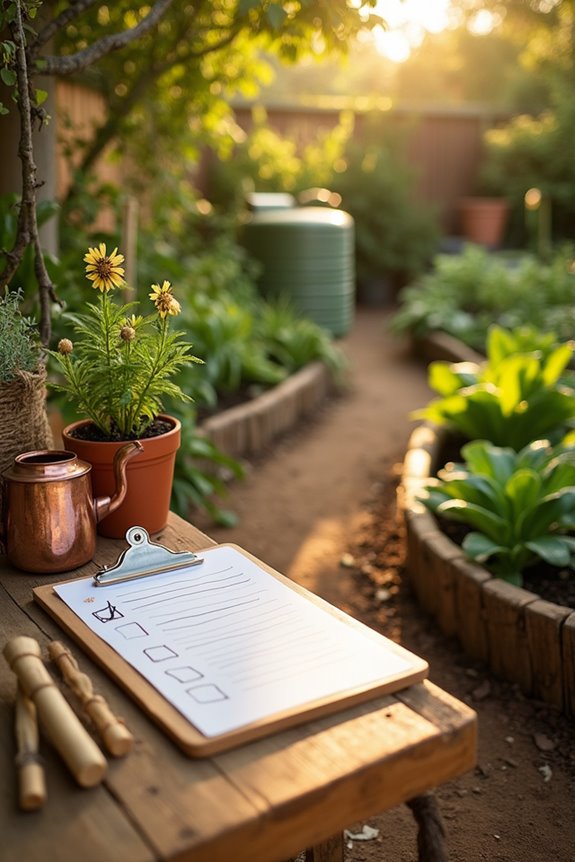
Walk the garden at least weekly—twice weekly in peak summer. Check new growth, leaf undersides, stem joints, and soil surface after rain. Keep a simple notebook or phone note: pest seen, plant, severity (light/medium/heavy), action taken. Thresholds matter: a few aphids with lacewing eggs nearby may need only a water blast; a hornworm army on tomatoes needs hand-picking tonight.
What Does a Seasonal Eco-Friendly Pest Calendar Look Like?
Timing beats panic spraying. Use this 2026 seasonal framework and adjust for your frost dates and climate zone.
What Should You Do in Early Spring?
- Clean leftover debris that shelters overwintering eggs and adults.
- Apply dormant oil on labeled woody plants during the correct temperature window if scale or mite eggs were a problem last year.
- Set out sticky cards in greenhouses and seed-starting areas.
- Plan companion flowers and order row cover before transplant day.
- Improve soil with compost so seedlings are not stressed from day one.
How Do You Stay Ahead in Late Spring and Early Summer?
- Install row covers on brassicas and cucurbits at planting.
- Hand-pick early caterpillars and crush squash bug egg clusters (bronze eggs under leaves).
- Start weekly scouting as nights warm—aphid and mite generations accelerate fast.
- Plant alyssum and herbs for beneficial insects along bed edges.
- Water deeply and less often; avoid creating slug spa conditions.
What Changes in Peak Summer Heat?
- Watch spider mites on dusty, drought-stressed foliage; rinse leaves and mulch roots.
- Shift any needed sprays to late evening; skip oil sprays on extreme heat days.
- Refresh sticky traps; empty slug traps after storms.
- Harvest ripe fruit promptly—overripe produce invites pests and disease.
- Open row covers for pollination, then use targeted controls if beetles surge.
How Do You Close the Season in Fall and Winter?
- Remove spent crops that hosted pests; solarize or rest heavily infested beds if practical.
- Note which varieties suffered most for next year’s seed order.
- Leave some seed heads and tidy “messy edges” for overwintering beneficials if disease pressure was low.
- Service tools, wash pots, and store row covers dry so spring setup is fast.
- In mild climates, keep scouting cool-season greens for aphids and cabbage worms.
What Mistakes Ruin Eco-Friendly Pest Control?
- Spraying first, identifying later. Wrong product wastes time and kills allies.
- Buying bags of ladybugs with no flowers or prey. Habitat beats impulse releases.
- Treating the whole garden for one hot spot. Spot-treat only.
- Ignoring ants farming aphids. Control the honeydew source and manage ant trails.
- Leaving row covers on when blooms need bees. Pollination fails, fruit fails.
- Using neem or oil in midday heat. Leaf burn looks like “the product failed.”
- Composting heavily diseased or pest-infested material openly. Bag outbreak debris when in doubt.
- Expecting companion planting alone to replace IPM. Diversity helps; monitoring decides.
- Overwatering seedlings. Fungus gnats and damping-off love wet mix.
- Skipping fall cleanup after a bad pest year. Next spring starts already behind.
For a broader product-and-method shortlist that pairs with this deep guide, browse eco-friendly pest management solutions.
How Do You Build a Simple IPM Ladder You Will Actually Follow?
- Cultural: Spacing, sanitation, resistant varieties, soil health, water at soil line.
- Physical: Row covers, hand-picking, sticky traps, collars, barriers, pruning out hotspots.
- Biological: Habitat for predators, Bt for caterpillars, nematodes for soil pests where labeled.
- Least-toxic sprays: Insecticidal soap, horticultural oils, carefully timed neem—spot only.
- Reassess: If damage still exceeds your threshold, narrow the problem (pest ID, weather, plant stress) before escalating again.
Write your threshold in plain language: “I will tolerate minor rose aphid clusters if lacewings are present; I will not tolerate hornworms defoliating tomatoes.” Clear thresholds stop emotional spraying.
Frequently Asked Questions
Are neem oil and insecticidal soap always safe?
They are safer than many synthetic broad-spectrum insecticides when used as labeled, but they are not risk-free. Overuse can harm soft-bodied beneficial insects and burn leaves in heat. Spot-treat at dusk, follow pre-harvest intervals on edibles, and stop once pest pressure drops.
Should I buy ladybugs for aphid control?
Build habitat first—flowers, water, and no blanket sprays. Purchased adults often disperse quickly outdoors. Releases work better in greenhouses or when local prey and shelter are already abundant.
Can companion planting stop all garden pests?
No. Companion planting improves diversity and supports beneficial insects, but it does not replace scouting, barriers, sanitation, or targeted controls when outbreaks exceed your threshold.
How do I know when it is time to spray?
Spray only after cultural and physical steps fail and damage exceeds your threshold—for example, rapid aphid spread with no predators present, or caterpillars actively defoliating crops. Choose the most specific least-toxic product for that pest.
What is the single best prevention habit in 2026?
Weekly scouting of leaf undersides and new growth. Catching outbreaks early means water blasts, hand-picking, or a small soap treatment instead of garden-wide sprays later.
Is diatomaceous earth safe for bees and pets?
Food-grade DE can abrade insects when dry, including beneficials that contact treated surfaces. Keep it off open blooms, reapply after rain, and use sparingly along slug paths rather than dusting entire beds.