As an Amazon Associate, we earn from qualifying purchases. Some links on this site are affiliate links at no extra cost to you. Our recommendations are based on thorough research and editorial judgment.

How To Choose Organic Garden Supplies in 2026

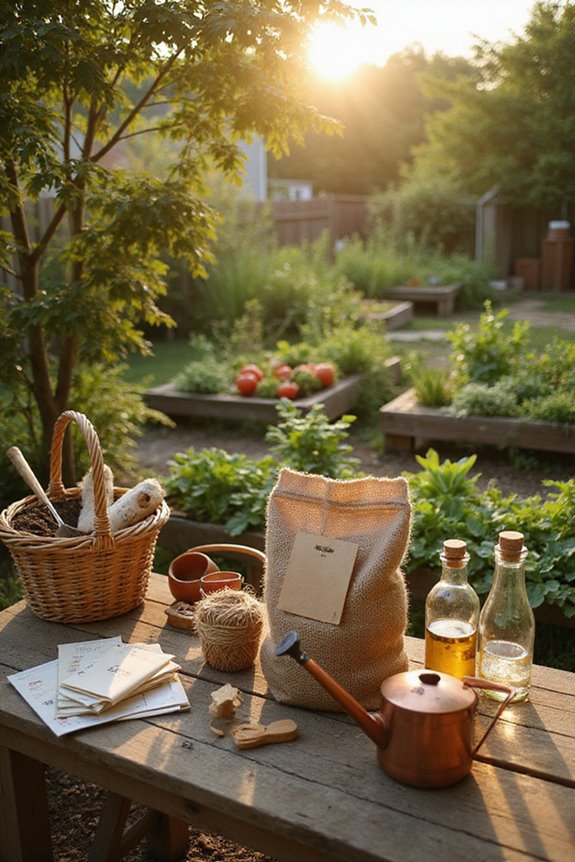
Choose organic garden supplies in 2026 by verifying third-party certifications (OMRI Listed where relevant), reading the full ingredient deck, and matching products to a recent soil test-not marketing buzzwords. Prioritize finished compost, organic fertilizers, untreated or certified organic seed, biological pest tools, and mulches that build soil life while staying free of synthetic pesticide residues.
Key Takeaways for Choosing Organic Garden Supplies in 2026
- Certifications beat slogans: Look for OMRI Listed inputs and USDA Organic seed/plant claims instead of vague words like “natural,” “eco,” or “green.”
- Start with soil, not bottles: A soil test plus quality compost usually outperforms random specialty fertilizers.
- Read the whole label: Guaranteed analysis, active ingredients, feedstock sources, and pre-harvest intervals matter more than front-of-bag claims.
- Match the product to the job: Seed-starting mixes, raised-bed blends, and in-ground amendments are not interchangeable.
- Prefer biology and barriers first: Row covers, beneficial insects, and healthy soil reduce the need for sprays-even organic ones.
- Watch for greenwashing: Partial organic blends, hidden synthetics, and incomplete ingredient lists are common red flags in 2026.
- Buy for storage and safety: Choose products you can store dry, use before expiry, and apply safely around edibles and pollinators.
Core Criteria for Choosing Organic Garden Supplies
Before you fill a cart with bags and bottles, use a short decision filter. Organic gardening succeeds when every purchase supports soil biology, plant health, and food safety-not when shelves look full.
Match the Product to Your Garden System
Containers, raised beds, and in-ground rows need different media and fertility strategies. A bag labeled “garden soil” may compact in pots, while a light seed-starting mix will collapse under mature tomatoes. If you grow in containers, compare options against guides like best container gardening supplies and best container garden soils before buying bulk field amendments.
Demand Ingredient Transparency
Quality organic suppliers disclose feedstocks: composted plant materials, worm castings, fish hydrolysate, feather meal, kelp, rock phosphate, gypsum, and similar inputs. Vague phrases such as “proprietary blend,” “secret formula,” or “plant food complex” without a full deck are reasons to walk away-especially for edible crops.
Soil-Test Before Specialty Purchases
Buying high-phosphorus organic bloom boosters for soil that already tests high in phosphorus wastes money and can stress plants. In 2026, a basic home or lab soil test remains the highest-ROI “supply” you can buy. Amend what is missing; do not chase every bottle on the organic aisle.
Prefer Local, Fresh, and Traceable When Possible
Compost and mulch travel poorly when biology matters. Local municipal or farm compost with a clear process history often outperforms cheap bagged mystery soil shipped across the country. For bottled liquids, check manufacture or “best by” dates-microbial products lose punch when stored hot or expired.
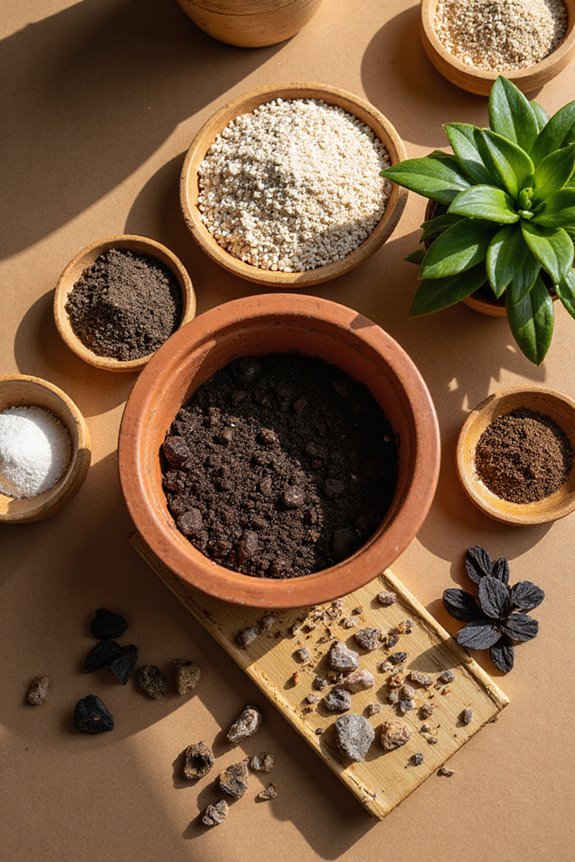
How to Choose Organic Soil and Compost
You may be interested
Soil and compost are the foundation of an organic system. Get these right and many fertilizer and spray purchases become optional.
Finished Compost Checklist
- Smell and texture: Earthy and crumbly, not sour, ammonia-sharp, or slimy.
- Temperature history: Hot-composted materials should have completed a kill phase for weed seeds and pathogens.
- Feedstock disclosure: Know whether the pile used yard waste, food scraps, manure, or biosolids-and whether that fits your comfort level for food gardens.
- Contaminant risk: Avoid lots with visible plastics, unexplained ash, or herbicide damage reports (some lawn clippings carry persistent herbicides).
- Maturity: Immature compost can tie up nitrogen and burn seedlings; finished compost integrates cleanly into beds.
Potting Mixes and Seed-Starting Media
For starts and containers, look for peat-reduced or coir-based mixes with compost, perlite or pumice, and no synthetic wetting agents if you are strict about inputs. Sterile seed-starting media should be light and disease-suppressive-not heavy field soil. If you prefer DIY control, follow how to make your own potting soil and blend with known organic components.

Useful Organic Soil Amendments
- Leaf mold and finished compost: Broad soil-structure and biology builders.
- Worm castings: Gentle nutrition and microbial diversity for seedlings and transplants.
- Biochar (charged): Useful when pre-loaded with compost tea or nutrients; raw biochar can temporarily absorb fertility.
- Mineral dusts: Gypsum, basalt rock dust, or greensand when a soil test supports them.
- Coir and wood-based fibers: Structure for containers; confirm low salt content in coir.
Skip mystery “garden soil” bags with no feedstock list. Those products often underperform compared with a simple compost-plus-aeration blend.
How to Choose Organic Fertilizers
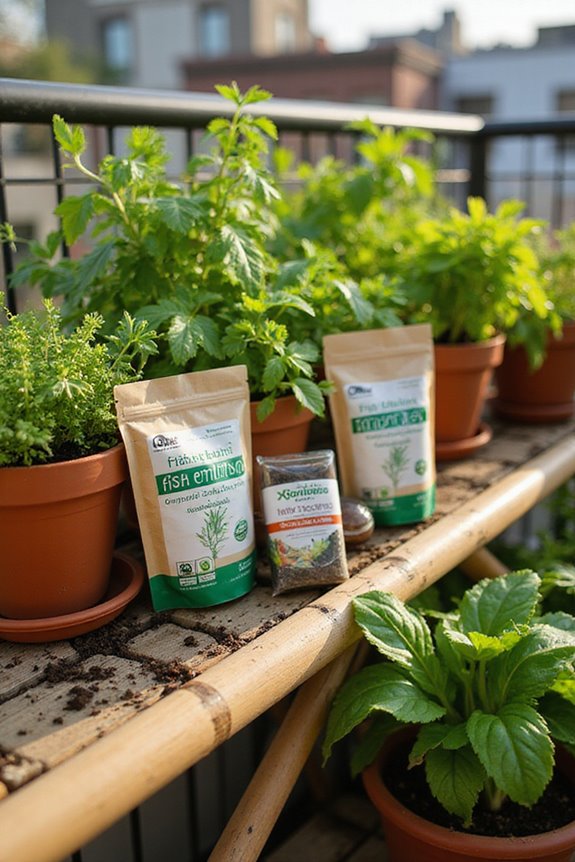
Organic fertilizers feed plants largely by feeding soil life. They are often slower than synthetic salts, which is a feature when you want steady growth and fewer nutrient spikes.
Types That Earn a Spot on the Shelf
- Compost and compost blends: Baseline fertility and organic matter.
- Granular meals: Blood meal, feather meal, fish meal, alfalfa meal, and bone meal (use bone meal only when phosphorus is needed).
- Liquid biologicals: Fish hydrolysate, seaweed/kelp extracts, and carefully made compost teas.
- Balanced organic NPK blends: Convenient for new gardeners-still verify OMRI status and ingredients.
- Rock minerals: Support long-term cation exchange and micronutrients when soil tests justify them.
Reading Guaranteed Analysis the Organic Way
The N-P-K numbers still matter. A 5-3-3 organic vegetable fertilizer delivers milder, slower nutrition than a synthetic 20-20-20. For leafy crops, moderate nitrogen from compost plus a light fish or feather meal side-dress is often enough. For fruiting crops, avoid dumping phosphorus “just in case.” Excess phosphorus can lock out micronutrients and pollute runoff.
Manure and Safety Rules
Only well-composted manure belongs in most garden beds. Fresh manure can burn plants and carry pathogens. For food crops, follow safe harvest intervals and never apply raw manure against leafy greens close to harvest. If a bag does not state composting method or age, treat it as unfinished.
Choosing Organic Seeds and Starts
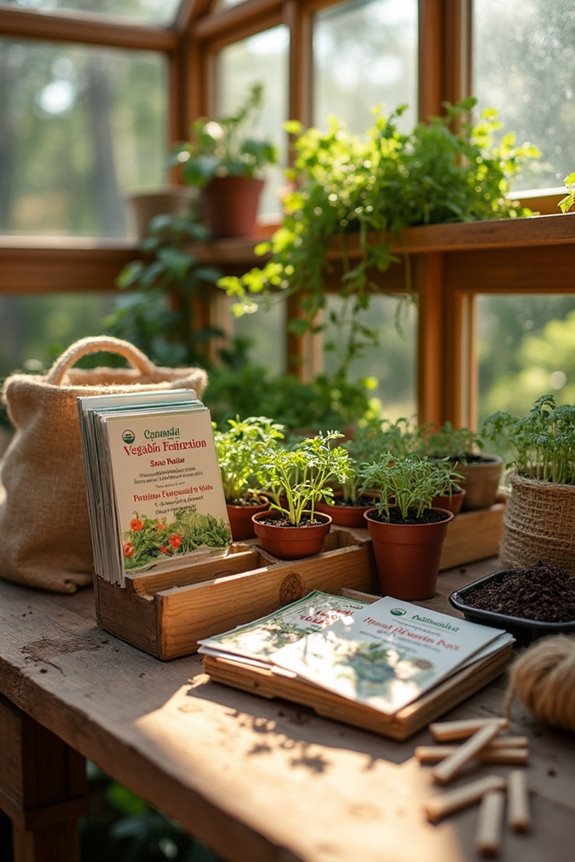
Seed choice shapes everything downstream-from vigor to whether you can save seed next season.
What to Look for on Seed Packets
- Certified organic seed when available for your crop and climate.
- Untreated seed if organic-certified options are scarce-avoid fungicide-coated seed in organic systems.
- Open-pollinated / heirloom when you want to save seed; hybrids can still be grown organically but may not breed true.
- Germination rate and pack date: Fresh seed outperforms bargain bins of unknown age.
- Regionally adapted varieties: Disease resistance packages matched to your humidity and season length reduce spray needs later.
Buying Transplants Without Undoing Organic Goals
Ask nurseries how starts were grown. A certified-organic seedling program is ideal. At minimum, avoid plants grown with systemic neonics if you are planting for pollinators, and quarantine new starts to watch for pests before they enter your beds.
Organic-Friendly Tools and Equipment
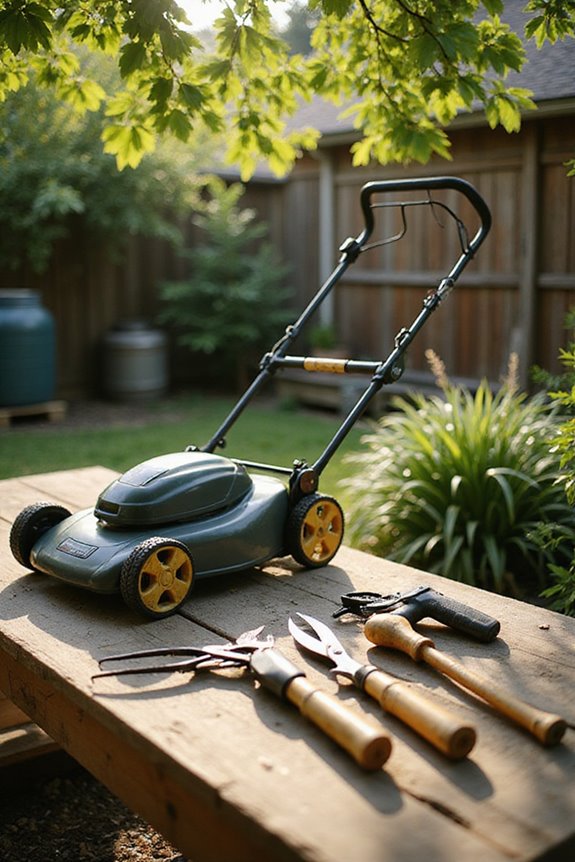
“Organic” is mostly about inputs and practices, but tools still matter. Clean, sharp equipment reduces disease spread and plant stress-core organic outcomes. Durable hand tools, soil knives, broadforks, and quality pruners beat disposable plastic gadgets. For longevity routines, see how to maintain plant care equipment.
Pest and Disease Tools That Fit Organic Programs
- Row covers and insect netting: Physical exclusion for cabbage worms, flea beetles, and leaf miners.
- Sticky traps and hand-picking: Monitoring and early control without residues.
- Beneficial insects: Lady beetles, lacewings, and predatory mites-release only when prey is present.
- Horticultural soaps and oils: Choose products labeled for organic use; respect temperature limits and pollinator timing.
- Copper and sulfur: Allowed in many organic programs with restrictions-use only when cultural controls fail.
For product comparisons and spray strategy, pair this guide with best organic garden pest control solutions. Airflow, spacing, and watering at the soil line remain cheaper than any bottle.
How to Choose Organic Mulch
Mulch conserves water, moderates soil temperature, suppresses weeds, and feeds soil as it breaks down. The best mulch for organic beds is clean, source-known, and matched to the crop.
Strong Mulch Options
- Shredded leaves and leaf mold: Excellent all-purpose organic mulch.
- Straw (not hay): Clean straw weeds less than seed-filled hay; confirm it is herbicide-free.
- Wood chips: Ideal for paths and perennial edges; keep fresh chips off immediate seedling crowns unless composted.
- Grass clippings: Thin layers only, from untreated lawns.
- Compost as topdress mulch: Feeds while covering soil-outstanding for vegetables.
Mulch Mistakes to Avoid
- Dyed novelty mulches with unknown binders around edibles.
- Fresh walnut or allelopathic materials where sensitive crops struggle.
- Smothering crowns and stems (invite rot).
- Contaminated municipal lots with plastic fragments or herbicide carryover.
Certifications That Matter: OMRI, USDA Organic, and Related Labels
Labels are shortcuts-but only when you know what they actually certify.
OMRI Listed
The Organic Materials Review Institute evaluates whether an input is allowed under the USDA National Organic Program. An OMRI Listed fertilizer, potting mix, or pest product is reviewed for organic production systems. Always confirm the exact product name and formulation; companies may sell similar non-listed versions beside listed ones.
USDA Organic
USDA Organic primarily certifies agricultural products-produce, seed, and some growing media/operations-under federal organic standards. For seed and transplants, USDA Organic is a strong signal. For fertilizers and sprays, OMRI listing (or an equivalent material review) is often the more relevant shelf check for home gardeners building an organic program.
Other Useful Signals
| Signal | Why It Matters |
|---|---|
| OMRI Listed / USDA Organic (as applicable) | Third-party review aligned with organic production rules |
| Full guaranteed analysis | Shows actual nutrient percentages, not marketing adjectives |
| Complete active/inert ingredient list | Reveals hidden synthetics, solvents, or fillers |
| Pre-harvest interval / PHI | Critical timing for edible crops |
| Feedstock or manure composting disclosure | Food-safety and plant-safety confidence |
How to Avoid Greenwashing in 2026
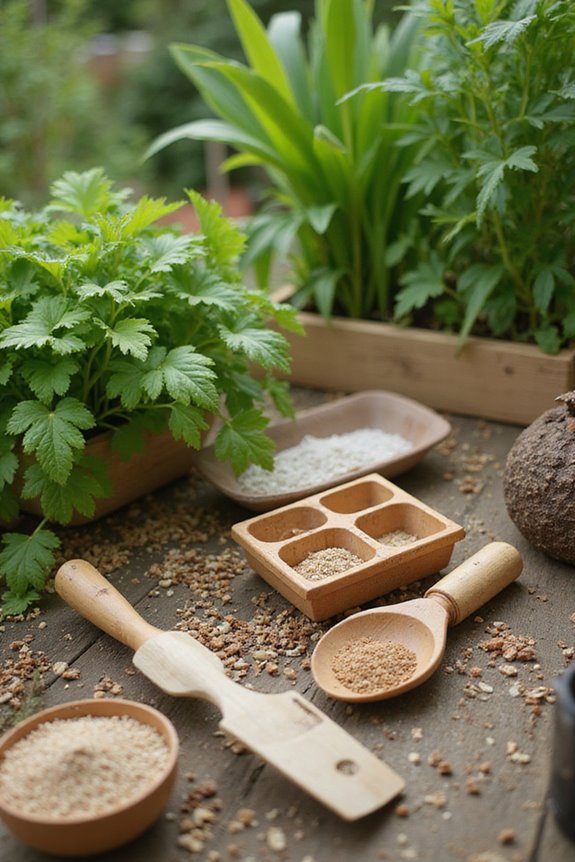
Green packaging is not an organic standard. Use these red flags before you buy:
- “Natural,” “eco,” “pure,” or “chemical-free” with no certification or ingredient deck-marketing, not verification.
- Partial organic claims such as “made with organic compost” while the fertility charge is synthetic.
- Missing inert ingredients on pest products-solvents and surfactants matter.
- Stock photos of farms with no company address, lot number, or contact path.
- Miracle yield promises (“doubles harvest in 7 days”) that ignore soil tests and crop basics.
- Look-alike branding that mimics certification seals without being listed.
When in doubt, search the OMRI products database for the exact product name, or choose a simpler input you fully understand-compost, mulch, and untreated seed still outperform mystery tonics.
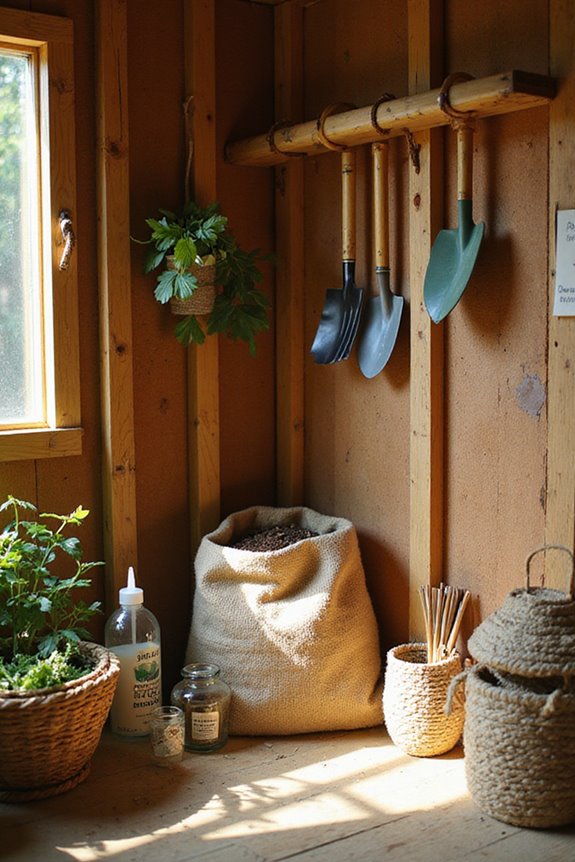
Organic Garden Supply Buying Checklist
Use this checklist in the store or before an online checkout. For a curated product shortlist after you know your gaps, browse best organic gardening supplies.
- Soil test on file (or scheduled) before specialty fertilizers.
- Compost first: finished, feedstock-known, earthy smell.
- Media matched to use: seed-starting vs. potting vs. in-ground amendment.
- Certification check: OMRI Listed / USDA Organic as applicable to the product type.
- Full ingredient deck readable without a magnifying scavenger hunt.
- Guaranteed analysis that fits crop stage and soil results.
- Seed status: organic or untreated; pack date acceptable.
- Pest tools prioritized: covers, traps, and sanitation before sprays.
- Mulch source clean: no herbicide history, minimal plastics.
- Storage plan: cool, dry shelf space; liquids protected from freezing.
- Application log ready for any spray used on edibles.
- Indoor vs. outdoor needs separated: houseplant formulas are not always ideal for food beds-see also best indoor growing supplies when shopping for both.
Smart Buying Tips for 2026
- Buy compost and mulch in the largest practical local quantity to cut packaging waste and keep biology fresher.
- Start with cultural controls-spacing, resistant varieties, watering at the soil line-before any spray, organic or not.
- Store oils and soaps away from freezing temperatures; shake emulsions well before each use.
- Keep a simple spray and amendment log for edibles (product, rate, date, bed).
- Replace “collection buying” with gap buying: only purchase what your soil test, crop plan, and pest pressure require.
- Re-check labels yearly; formulations change even when brand names stay the same.
A Practical Seasonal Buying Plan
Shopping once for the whole year works better than impulse buys every weekend. Use this rough cadence in 2026:
- Late winter: Soil test, seed orders, seed-starting mix, trays, and labels.
- Early spring: Finished compost, mulch, row covers, and transplant supplies.
- Peak season: Side-dress fertilizers only if growth or tissue/soil cues justify them; replenish mulch after storms.
- Late season: Cover-crop seed, leaf-mold collection gear, and tool maintenance supplies instead of novelty tonics.
This rhythm keeps cash focused on biology and prevention-the inputs that compound year after year.
Frequently Asked Questions
Does “Natural” Mean Organic?
No. “Natural” is largely unregulated in garden retail. Verify OMRI listing, USDA Organic claims where applicable, and a complete ingredient list instead of trusting front-of-pack adjectives.
Are Organic Fertilizers Slower?
Often yes. Many organic fertilizers rely on microbial mineralization. Pair them with compost and realistic timing-side-dress before peak growth rather than expecting overnight greening.
Can I Use Vinegar as a Weed Killer in Organic Gardens?
Horticultural vinegar can burn foliage but frequently fails to kill roots and can harm soil life and nearby crops. Use it selectively on pavement cracks if at all; prefer mulch, hand weeding, and dense planting in beds.
Is Manure Always Safe?
Only well-composted manure is appropriate for most garden beds. Fresh manure can burn plants and carry pathogens. Know the source, composting method, and timing before harvest.
What Is the Best First Organic Purchase?
Quality finished compost and a soil test usually outperform random bottled products. Add mulch and good seed next; fertilizers and sprays come after you know what the system actually lacks.
Do Home Gardeners Need OMRI-Listed Products?
Home gardens are not inspected like certified organic farms, but OMRI listing remains one of the clearest ways to avoid accidental synthetics-especially in fertilizers, potting mixes, and pest controls marketed with green claims.