As an Amazon Associate, we earn from qualifying purchases. Some links on this site are affiliate links at no extra cost to you. Our recommendations are based on thorough research and editorial judgment.

What Are Sustainable Gardening Practice Checklists?
Sustainable gardening practice checklists help us create eco-friendly gardens. First, we can improve soil health by using compost, which enhances fertility and retains moisture. Second, we should focus on water conservation techniques, like checking soil moisture and applying mulch to reduce evaporation. Selecting native plants is also essential, as they are drought-tolerant and support local wildlife. By employing organic pest management and energy-efficient tools, we further promote sustainability. There’s more to explore on effective garden practices.
Key Takeaways
- Implement composting techniques to enhance soil health and reduce the need for synthetic fertilizers.
- Utilize water conservation strategies, such as deep watering and mulch application, to optimize moisture retention.
- Select native and diverse plants to support local wildlife and improve ecosystem resilience.
- Practice organic pest management by attracting beneficial insects and rotating crops to disrupt pest cycles.
- Use energy-efficient tools and practices in garden management to minimize environmental impact.
Composting Techniques for Soil Health
When we think about sustainable gardening, composting techniques play an essential role in improving soil health. Composting offers numerous benefits, such as enhancing soil structure and fertility. It acts like a sponge, retaining water and nutrients, which is vital for plant growth. Additionally, compost promotes microbial diversity, supporting healthy ecosystems.
However, we also face compost challenges. The initial cost can be high, and the nutrient release is slower than synthetic fertilizers. Contamination with materials like plastic can occur, complicating composting efforts.
Despite these challenges, we can successfully integrate composting into our gardening practices. By understanding both the benefits and challenges, we can create a healthier garden while contributing to sustainable living.
Water Conservation Strategies

Water conservation is essential for sustainable gardening practices. By adopting effective water-saving practices, we can maintain healthy gardens while protecting this crucial resource. First, let’s check soil moisture before watering to avoid unnecessary irrigation. Water deeply and slowly to enhance absorption and reduce runoff.
Next, we can improve soil water retention by adding organic matter, like compost, which boosts moisture-holding capacity. Applying mulch helps minimize evaporation and keeps the soil temperature steady. Additionally, implementing drip irrigation systems can significantly reduce water usage by directing moisture directly to plant roots.
Finally, we should consider timing our watering. Early mornings or late evenings reduce evaporation losses. By making these small adjustments, we can cultivate beautiful gardens while practicing responsible water management. Together, we’re creating a more sustainable environment for everyone.
Recommended Products
High-Quality Material: Professional quality drip hose made by high quality, UV resistant materials, unmatched resistance to chemicals. Be a Gardening Master with the help of our superior and complete Drip Tape Row Irrigation Kit: 1 x 4,000ft Roll of Low-Flow Drip Tape + 2 x 100ft Rolls of 3/4 inch Mainline Tubing + 1 x 1ft Amiad Tagline Filter + 2 x 3/4 inch Easy Loc Female Hose Beginnings + 2 x 3/4 inch Easy Loc End Caps + 40 x Drip Tape Row Starts.
Waters up to 40 100ft rows (1/4 acre) based on 33 inches row spacing. Watering sprinkler system delivers just the right amount of water slowly and precisely right where your plant needs it at the root zone. The drip tape row crop irrigation system provides plant’s roots with slow, steady moisture. Save you from bothering your neighbours to help you take care of your plants when you are away.
Selecting Native and Diverse Plants

Selecting native and diverse plants not only enhances our gardens but also supports local ecosystems. By incorporating native species, we provide essential food and habitats for wildlife like birds and pollinators. These plants boost biodiversity benefits, creating a balanced environment.
- Biodiversity Advantages
- Diverse plantings accommodate various wildlife needs.
- This variety reduces vulnerabilities to pests and diseases.
- Native plants are drought-tolerant, needing less watering.
- Their deep roots improve soil structure and reduce erosion.
- Look for local nurseries or native plant societies.
- They often specialize in indigenous species, ensuring healthy selections. Additionally, choosing drought-resistant annuals can further enhance the garden’s resilience to dry conditions.
Recommended Products
100% Pure, Non-GMO Seeds - No fillers, favorites only! Includes 16 easy-to-grow species: NE Aster, Butterfly Milkweed, Common Milkweed, Siberian Wallflower, Shasta Daisy, Lance-Leaf Coreopsis, Purple Coneflower, Perennial Gaillardia, Sweet Alyssum Tall White, Narrow Leaf Sunflower, Gayfeather, Perennial Lupine, Russell Lupine, Bergamot, Black-Eyed Susan, Gloriosa Daisy
First Quality Native Wildflower Seeds – Current Lab Test Data Shown on Packet
NATURAL ORNAMENTAL GRASS: Outsidepride Little Bluestem Grass Seed adds texture and vibrant color to lawns and gardens, making it a favorite for ornamental plantings. Blends well with wildflowers, enhancing natural beauty in full sun landscapes with minimal maintenance needs.
Organic Pest Management Practices

Organic pest management practices are essential for maintaining healthy gardens while protecting the environment. By using natural pest controls, we can reduce reliance on harmful chemicals. Here are some effective methods:
- Physical Controls:
- Prune damaged plants and remove debris to limit pest habitats.
- Use barriers like floating row covers to keep pests away.
- Hand-pick pests, such as caterpillars and beetles, to lower their numbers.
- Attract ladybugs and lacewings to control aphids naturally.
- Plant flowers that provide nectar for these helpful insects.
- Rotate crops to disrupt pest life cycles.
- Use companion planting to repel unwanted insects.
Additionally, implementing Integrated Pest Management (IPM) strategies can help ensure long-term ecological balance in your garden.
Together, we can create thriving gardens that respect nature.
Recommended Products
Nuke Em Reduces insect populations of certain plant pests including Spider Mites, Whitefly, Aphid and Powdery Mildew
Azatin O Biological Insecticide is a newly-formulated biological insect growth regulator (IGR) used to control the larval stage of a broad-spectrum of greenhouse and nursery pests. Azatin O is OMRI listed (Organic Materials Resource Institute), is soft on beneficials, and carries a 4-hour REI. OMRI Listed. Active Ingredients: Azadirachtin 4.5%
Energy-Efficient Garden Tools

When it comes to gardening, what tools can help us work more efficiently while also being environmentally friendly? We can choose electric mowers for emission reduction, as they cut air pollution notably. Battery tools, like 40V lithium-ion cordless models, offer power without the hassle of cords. Robotic mowers operate autonomously, saving us time and energy.
Lightweight trimmers with ergonomic handles make yard work less strenuous. Multi-purpose tools with interchangeable attachments can streamline our gardening tasks and reduce the number of tools we need. Opting for durable materials guarantees our tools last longer, promoting maintenance efficiency. By utilizing these energy-efficient garden tools, we enhance our gardening experience while caring for the environment. Additionally, incorporating automated watering systems can further improve water conservation in your gardening routine.
Recommended Products
Why Choose Genuine [MachPro]? Of Course, Quality Assurance Is Prerequisite, Cost-Effective is the choice of customers. Our products are unpretentious and simple to operate, and can cope with various scenarios.If you have a demand for small excavators, Please contact us. we will provide professional analysis according to your usage scenarios and introduce the excavators suitable for you
Power and Performance: MS10H Mini excavator is powered by a RATO gasoline engine, providing strong performance. One click easy start, easy maintenance. It is an ideal tool for farm, garden, and home engineering
【N-Type Panel Design】Equipped with A+ grade N-Type cells and 16BB technology, the panel achieves up to 25% higher conversion efficiency, reduces hot spots, and ensures a longer lifespan.
Designing a Sustainable Garden Layout
Designing a sustainable garden layout can make a significant difference in both plant health and resource efficiency. First, we should assess our site by evaluating soil type and sunlight exposure. This helps us decide on the best garden zoning and spatial arrangement for our plants.
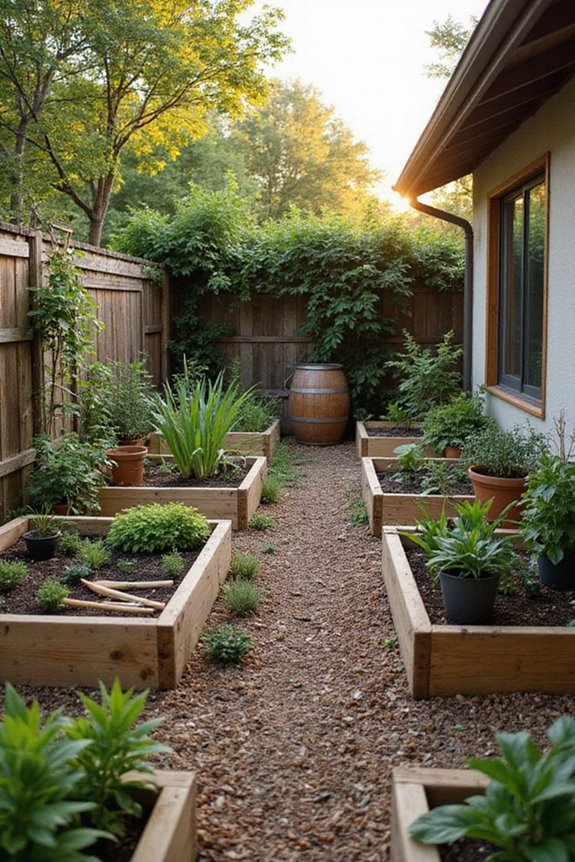
Next, we can optimize space by using techniques like intensive planting and vertical gardening. For instance, we might arrange raised beds for easy access and to maximize growing areas.
Additionally, choosing native and drought-resistant plants guarantees they thrive with less maintenance. Finally, let’s group plants according to their water needs to promote efficient irrigation. By following these guidelines, we’ll create a thriving, sustainable garden that benefits both us and the environment. Implementing drought-tolerant plants further enhances resource efficiency while ensuring resilience in varying conditions.
Effective Irrigation Methods
Effective irrigation methods are essential for maintaining a sustainable garden. One of the most efficient options is drip irrigation, which applies water directly to the soil near plant roots. This method minimizes runoff and evaporation, promoting drip efficiency. It’s suitable for all soil types and is particularly effective on slopes.
Other options include:
- Sprinkler Systems – Mimic natural rainfall but can waste water due to evaporation.
- Subsurface Textile Irrigation – Delivers water below the surface, reducing evaporation losses.
- Smart Irrigation Technology – Uses sensors to optimize watering schedules based on real-time conditions.
Recommended Products
3/4" Mainline Tubing Allows Higher Flow and Longer Rows
Specifications: Pipe Size: 3/4" NPT Weight: 4 lbs. Dimensions: 19 1/8" x 6 5/16" GPM: 0.05 to 14 GPM (0.19 to 50 LPM) Pressure: 4.3 to 85 PSI Ratio: 1:500 to 1:50 Percentage: 0.2 to 2% Available Options: PVDF (white housing), PAA Seals, Bypass Included Accessories: Mounting Bracket, Suction Hose, Weight, Strainer and Operating Manual 22"L x 6.75"W x 5.75"H
Timer Compatible : Yes; Rain Barrel Compatible : Yes; Expandable : Yes; Average Assembly Time : 60 + min.; Operating Pressure : 10-15 PSI; Maximum Flow Capacity : 480 GPH;
Enhancing Soil Health With Compost
Composting is a powerful way to enhance soil health in our gardens. By improving soil structure, compost increases porosity and reduces erosion. This leads to better water infiltration and root growth.
- Nutrient Availability: Compost stabilizes pH and adds essential nutrients like nitrogen and phosphorus, which are crucial for plant growth.
- Microbial Diversity: It boosts soil microbiology by promoting beneficial microorganisms that support nutrient cycling.
- Environmental Benefits: Compost can replace synthetic fertilizers, reducing carbon emissions and soil contamination.
Utilizing Companion Planting
Utilizing companion planting can transform our gardens into more productive and resilient spaces. By combining different plants, we can naturally control pests and improve pollination. For example, marigolds help protect tomatoes from nematodes, while borage attracts pollinators for strawberries.
To maximize our garden’s potential, we should consider crop rotation and plant diversity. Regularly rotating crops prevents soil nutrient depletion and confuses pests, while diverse plantings attract beneficial insects. We can also optimize space by planting tall crops alongside shorter ones to provide shade. Additionally, incorporating drought-tolerant plants can further enhance garden resilience and reduce water usage.
Together, we can create a thriving garden ecosystem. By strategically selecting plant combinations and maintaining healthy soil, we’ll enjoy stronger plants and better yields, making our gardening journey rewarding and sustainable.
Creating Resilient Garden Ecosystems
Creating resilient garden ecosystems is essential for fostering a productive and sustainable environment. To start, we can conduct microclimate mapping to identify specific areas within our garden that have unique conditions. This helps us select plants that thrive in those environments. Next, a biodiversity assessment allows us to evaluate the existing wildlife and soil health, guiding our decisions on which native species to introduce.
We should also enhance soil health by adding compost and avoiding harmful chemicals. Water conservation techniques, like rainwater harvesting, will support our efforts to maintain moisture. By promoting diverse plant species and creating habitats, we enhance resilience. Together, these practices build a robust ecosystem that adapts to changes while supporting our gardening goals.
Frequently Asked Questions
How Can I Start a Compost Bin at Home?
To start our compost bin, we’ll gather compost materials like fruit scraps and dry leaves. Let’s choose a sunny spot, layer our ingredients, and turn it regularly to create rich, nourishing compost together!
What Are the Benefits of Native Plants in Gardening?
Did you know 58% of U.S. gardeners bought native plants last year? By embracing native plant advantages, we enhance biodiversity, support local wildlife, and create beautiful gardens that connect us to our environment and community.
How Do I Test My Soil for Health?
When we test our soil, we uncover its health and nutrient needs. By understanding our results, we can make informed decisions on soil amendments, ensuring our gardens thrive together in harmony with nature.
What Is the Role of Worms in Composting?
Like tiny gardeners beneath our feet, worms enrich our soil through composting. Their benefits and techniques transform scraps into nourishment, reminding us we’re all part of a community that nurtures life and fosters growth together.
How Can I Attract Beneficial Insects to My Garden?
To attract beneficial insects to our garden, let’s plant pollinator plants and set up insect hotels. By creating a diverse environment, we’ll invite these helpful creatures, fostering a vibrant ecosystem that benefits all of us.